One Battle After Another
The revolution continues to be televised…

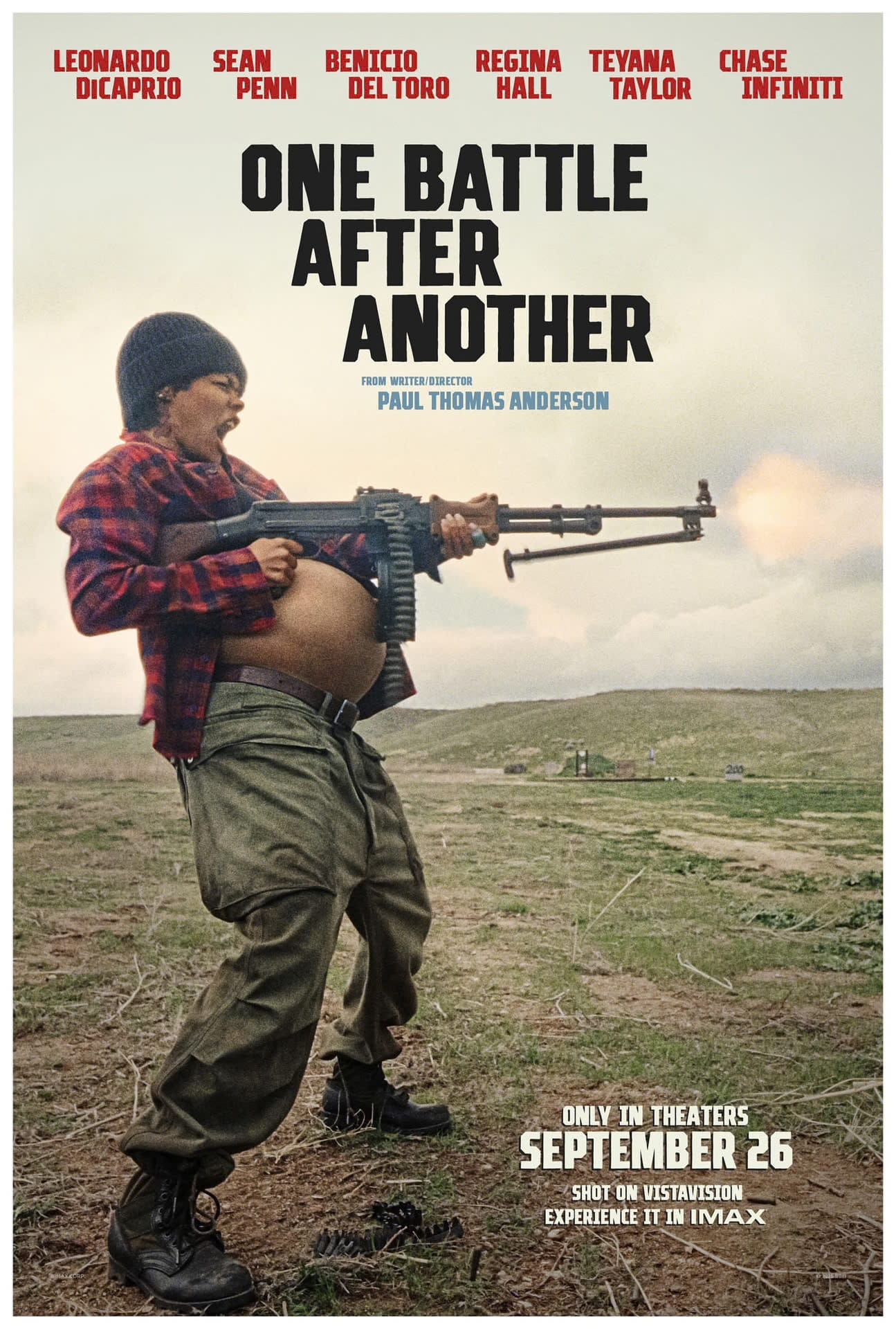
Bob is a washed-up old revolutionary who lives in a state of stoned paranoia, surviving off-grid with his head-strong daughter, Willa. But when his evil nemesis resurfaces and Willa goes missing, the former radical is forced to reengage with a world that he left behind long ago, so that he can find her before the sins of his past are visited upon her future.
I should just say from the very start... I really liked this movie.
I've been thinking about it a lot lately, and it’s in that way that tells me that I will be watching it again, and sooner rather than later. I‘m saying this here, because I want it to be totally clear from the get-go that I really liked it.
Because that said, I had some issues.
Written and directed by Paul Thomas Anderson, an adaptation that was inspired by the 1990 novel Vineland by Thomas Pynchon—which explores the aftermath of the 1960s hippy counterculture in the Reagan’s U.S.—I was a little hesitant about seeing this film. When I first saw the trailer, for whatever reason, I don’t know why or how, but I didn’t really catch that this was a Paul Thomas Anderson film at first, so I was interested, because the trailer looked good, but when I finally did realize that it was Paul Thomas Anderson's film, I was like…
Meh, I don’t know.
I know, I know… but why, Jon? He made Hard Eight. He made Boogie Nights and Magnolia. He made There Will Be Blood. Yep. I know. I loved those films. Totally loved them. But he also made Licorice Pizza, and I fucking hated that film.
Now, to be clear, I heard a ton of good things about One Battle After Another, and almost immediately too. If I’m being honest here, I heard almost nothing but good things, like overwhelmingly, and from basically every person that I know who likes movies too. It was clearly a good film.
But still…
I was hesitant, because it's hard to trust a white guy to tell you a story about revolution in racist America—a story that features a very POC heavy cast, but with a white guy in the lead—when his previous film included two very racist anti-Asian scenes that were not only completely unnecessary, even in the narrative sense, but were also presented without any commentary at all, and as a result played as a “super funny” joke to the majority of its (white) audience.
It’s hard to trust that white guy to tell this story, because, when he was confronted by the criticisms of those racist scenes, he responded with a casual and dismissive and dumbfounded shrug, like “golly gosh-a-rooni, me oh my, am I confused! I just don’t see any racism on my part!” And then of course, he claimed to be a good guy, and added a nice cherry on top by insinuating that the fault might just lay with the over-sensitive Asians, and basically just generally refused to consider the idea that his supposed good intentions aside, in this world, any portrayals of obvious racism, especially when they use the kind of classic racism that used to play in movies and on TV all the time like it was perfectly fucking acceptable, have to be more than just a recounting of a racist moment, sans any commentary. He acted all perplexed at the idea that, in the world we live in, your intention doesn't matter, and if you're going to play around with these ideas, if you're going to portray them on screen, then there is a clear responsibility to point to the villains, to highlight their lack of soul, the harm they cause, and the power imbalance their bigot bullshit serves, as well as a responsibility to clearly condemn the regressive and ugly fucks who still cling to this garbage. Because if you don't do that, then you risk being taken as one of them, simply because the racists took your portrayal at face value.
Is that what you want? Or does your intentions not actually matter to you? OR... were we actually right about your intentions in the first place? Maybe you don't actually give a shit. Maybe this is how you actually feel. Maybe this is just who you really are, and this is what you really think.
Who can say? Especially when you certainly didn't.
So it’s hard to trust this white guy to tell a story of revolution in a racist America specifically because of this outright refusal to engage with these ideas, specifically because of this complete lack of interest in engaging with these ideas, specifically because of how blinded he clearly is by his wealth and his whiteness. It’s especially hard to trust him, as the fallout of his bullshit dismissal then created a platform for a plethora of bad actors and bigots to hide behind their smokescreens of smirking complaints about how modern audiences apparently need to be “spoon-fed” too much, and that artists can't be held responsible for how audiences interpret their work, not because they actually care about that shit, but because bigots love any opportunity to downplay the problem of racism in America, and to tell the world that they not only don’t care about it, more importantly, they don’t even want to pretend to care about it. In short, his selfish refusal to consider the reality that the rest of us are forced to live in, to even consider the potential consequences of his actions on others, only resulted in him making the world a slightly worst place.
Thanks, buddy.
So yeah, it’s a little hard to trust this specific white man to be able to tell a story about revolution in racist America when this is his legacy, and when his response to it was to be deliberately obtuse and dismissive, probably while on his way to a wine tasting, or a polo match, or maybe to go sailing.
Now, this isn’t to say that I think Paul Thomas Anderson is the Grand Dragon of the L.A. KKK or anything, just that he’s a rich white guy, and he’s never had to give a shit, because that’s not how the world works, not when you’re wealthy, not when you’re connected, not when you’re white. So how could he possibly understand any of the nuances that may come up in this tale of revolution in racist America, when his immediate response to the suggestion that he might need to think about things he says and does, that he may have to work on himself a little bit, that he may have to admit that he is not the perfect ally he assumes himself to be, was to be offended and flippant and to victim-blame? If you’re unwilling to even consider the idea that you might have to step outside of your world of wealth, privilege, and fawning yes-men, then how could you possibly tell a story that centers on the very people who are directly harmed by that world?
It’s also pretty hard to trust this white man to be able to tell a story like this when it features such cartoonish depictions of white fascists, bigots, and antisemitic Christian Authoritarians as the bad guys. Not that there aren’t assholes exactly like this who exist in this country, but when these are the only types of people acting as the face of racism in America that we get to see on screen, and it’s coming from the someone who refuses to engage with their own racist track record, these cartoonish depictions of white nationalist extremism come off a little too uncomfortably like your basic “not all white people” defense. This makes that decision feel like it was meant more deliberately, like it was meant as a way to keep his own accountability safely at arms length. Now, it kind of seems like that all too common response you often hear from white Americans whenever some random racist is caught being racist, but they weren't wearing a white sheet and weren't angrily shouting slurs out loud while they were doing it, so white Americans will then clain that this racist's actions weren’t “real” racism, that it was just us being overly sensitive... again. Which is exactly what Paul Thomas Anderson said about the people who complained about Licorice Pizza….
And it definitely doesn’t help when this tale of revolution in a racist America was filmed in Sacramento, California, and the film production had the city remove the tents of the homeless people in Cesar Chavez Park and throw them away, all in order to accommodate the filming of their revolutionary riot. I mean, god damn, Paul… if you can’t even see how something like that would be fucking problematic, how can we possibly trust you to handle anything with a little more nuance?
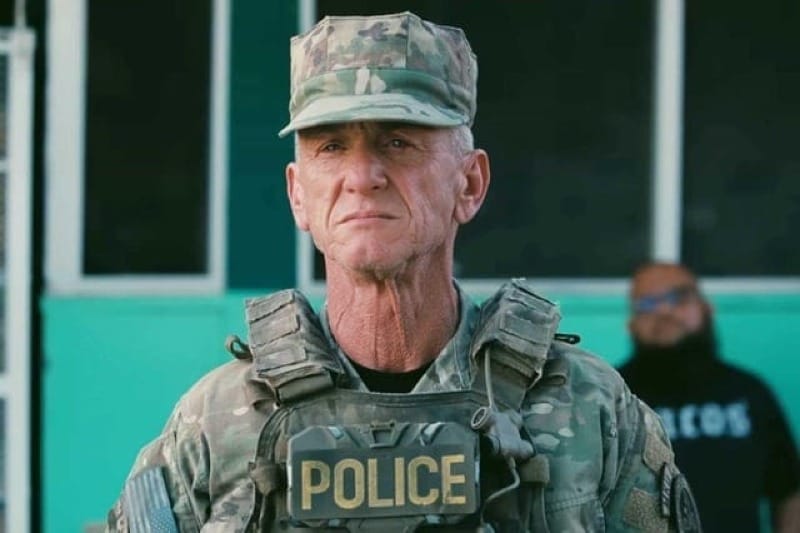
And on top of all that shit, its hard to deny the near constant whiff of an aging, straight, cis-gendered white man’s disdain for “pronouns,” and other “Gen Z turns-of-phrases," the things that people like him often consider to be hugely offensive annoyances.
To be fair, it’s just a whiff, usually buried in a glut of rapid-fire dialogue, but it’s also always from the hero, so it’s a very noticeable whiff, and usually the kind of thing known as a micro-aggressions… yet another idea that makes guys like that blow their tops, and also probably say a slur under their breath, or at least, in their heads. And that's made all the worse when you consider the fact that, in a movie where every mistake the heroes make are rooted in the fact that no one respects OPSEC when it’s inconvenient, and that the one guy in the film who does respect OPSEC is vilified as a weenie and a fake revolutionary—and by clear implication, as not a real man either—and not just by the hero either, but by the film itself, and all because that guy doesn’t appropriately respect the fact that the white guy has personal needs that are supposed to supersede everybody else’s safety.
You take all that shit together, and it makes some pretty shitty things about the filmmaker’s point of view pretty crystal fucking clear.
AND THEN… when you also consider the fact that this is a movie where the majority of the main characters are all black women, and that all of their stories are linked by them knowing this bumbling old asshole of a white fool, a guy who is mostly dressed in a bathrobe for most of the film, and who is clearly supposed to be the hero of the film… its hard to shake the charge of Paul Thomas Anderson being a bit of dipshit blinded by his own wealth and white privilege.
So, yeah… all of that.
I know what you’re thinking at this point. How, Jon? What with all this now laid out, how can you say that you really liked the film?
Fair question.
I suppose the answer is rooted mostly in the fact that, despite its setting, the film generally eschews from directly commenting on anything related to politics in any kind of way but in the very broadest of strokes. So, in that way at least, that’s good. Or at least, maybe for the best. There's less chance of stepping in some dog shit if you just don't cut across the yard, right? But then, that’s also the double-edge of the sword, right? The fact that it generally eschews from directly commenting on politics kind of takes away a lot of the thematic weight from the story. I’ll get into that later, but in the meantime, succinctly, why do I like this film? I just do. Despite some bullshit, it’s still a pretty entertaining flick.
Anyway, One Battle After Another has now grossed $200-some million worldwide, making it the highest-grossing film of Anderson's career.
So…
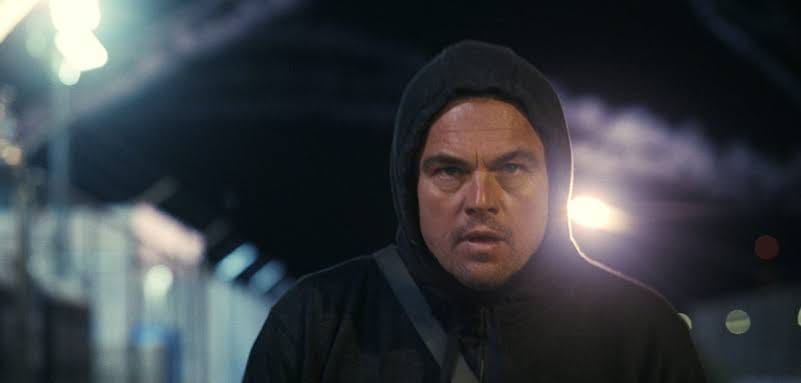
“Ghetto" Pat Calhoun and Perfidia Beverly Hills are members of a far-left revolutionary group known as the French 75. While breaking a bunch of detained immigrants out of a Concentration Camp, Perfidia sexually humiliates the camp's commanding officer, Steven J. Lockjaw, as she takes him captive. This starts him down a path of revenge and lust, despite his racist and white supremacist beliefs. In the aftermath of the break out, Pat and Perfidia run off into the night, young and wild and free, a pair of romantically revolutionary lovers.
The French 75 grows bolder and more aggressive in their attacks. Soon, the group is going after banks and politicians' offices, and even the power grid. After that, it’s two worlds at war. Pat and Perfidia stand on one side. Lockjaw stands on the other.
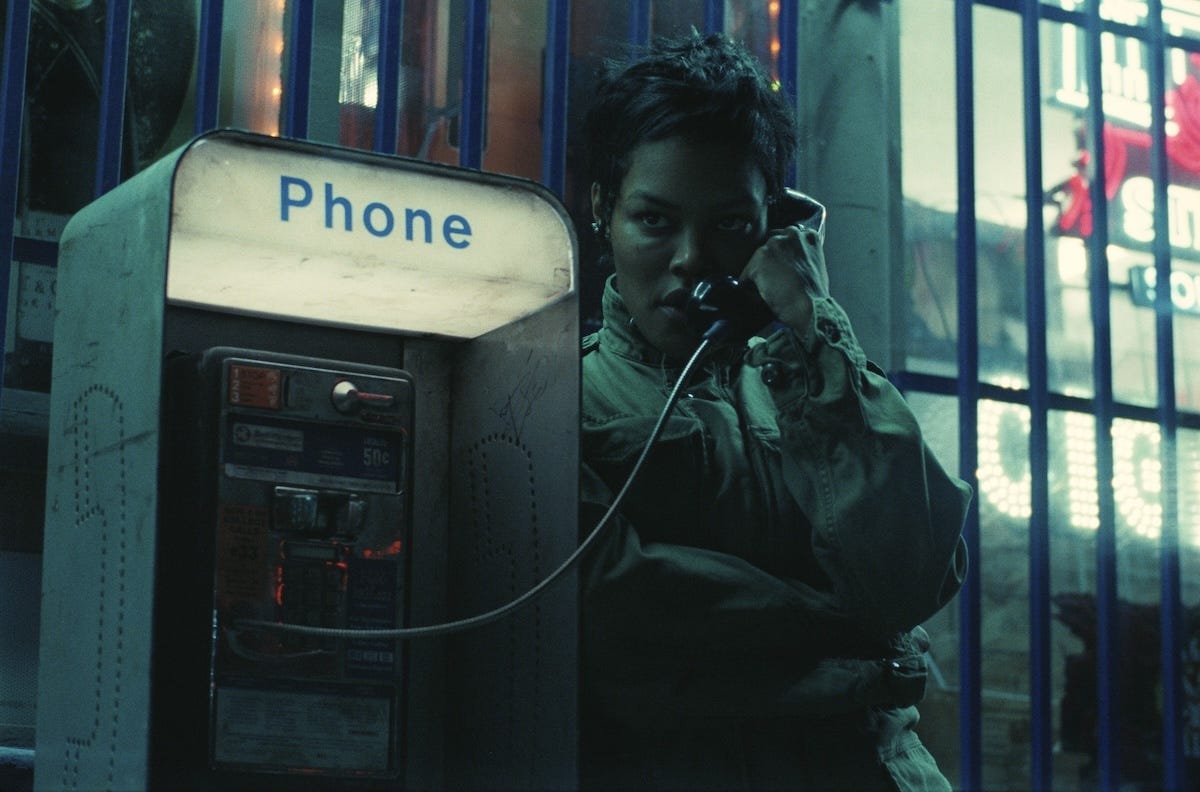
But Lockjaw only really has one goal, and everyone that he jails or catches or disappears along the way is merely a stepping stone to that goal. When he finally catches up to Perfidia, as she is planting a bomb in a bank, he releases her after she agrees to his demands to meet up with him and have sex at a motel. She holds up her end of the bargain, and the two have a tryst of sexual domination and humiliation.
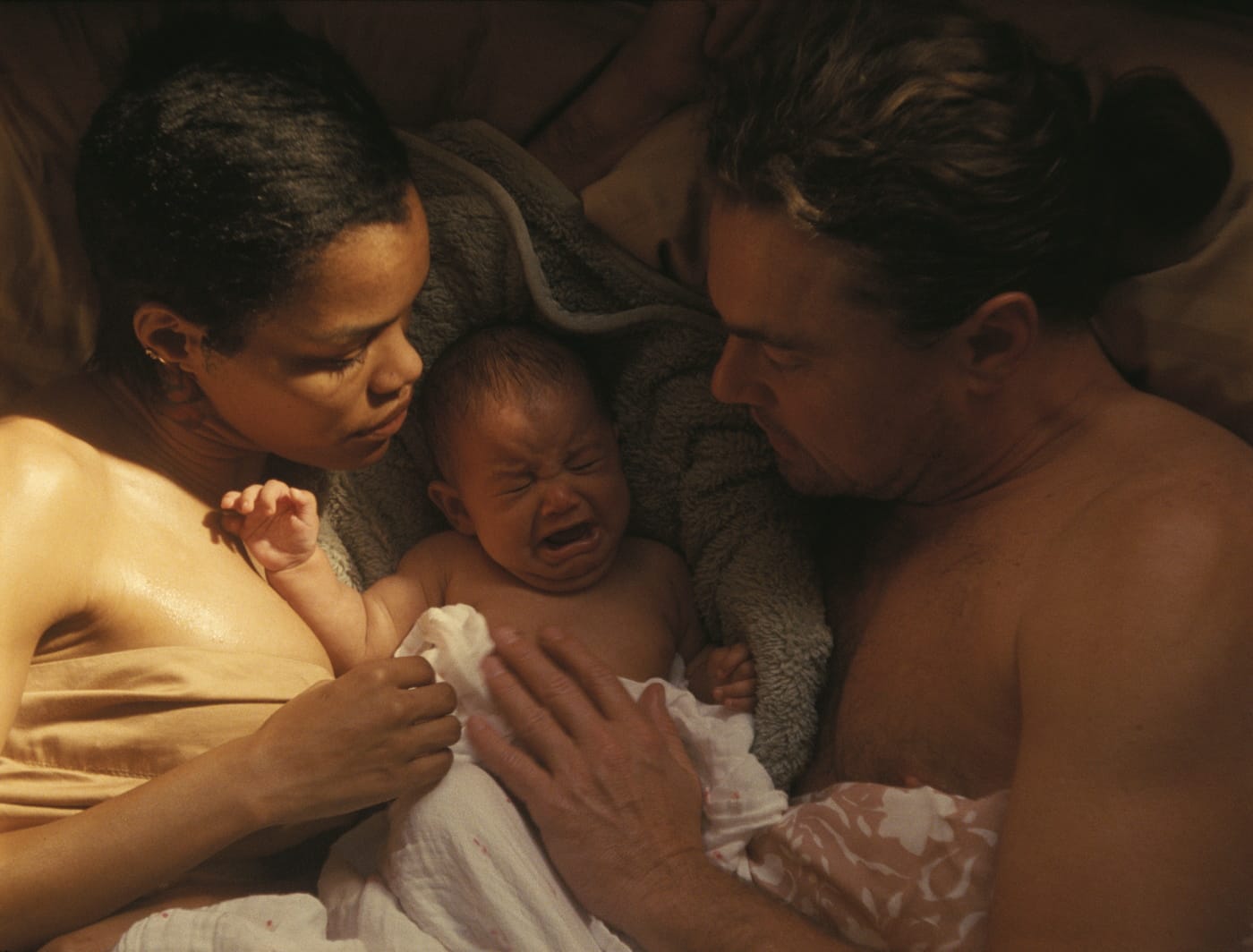
Eventually, Perfidia gives birth to a baby girl named Charlene. Pat tries to get her to give up that revolutionary life and settle down with the two of them.
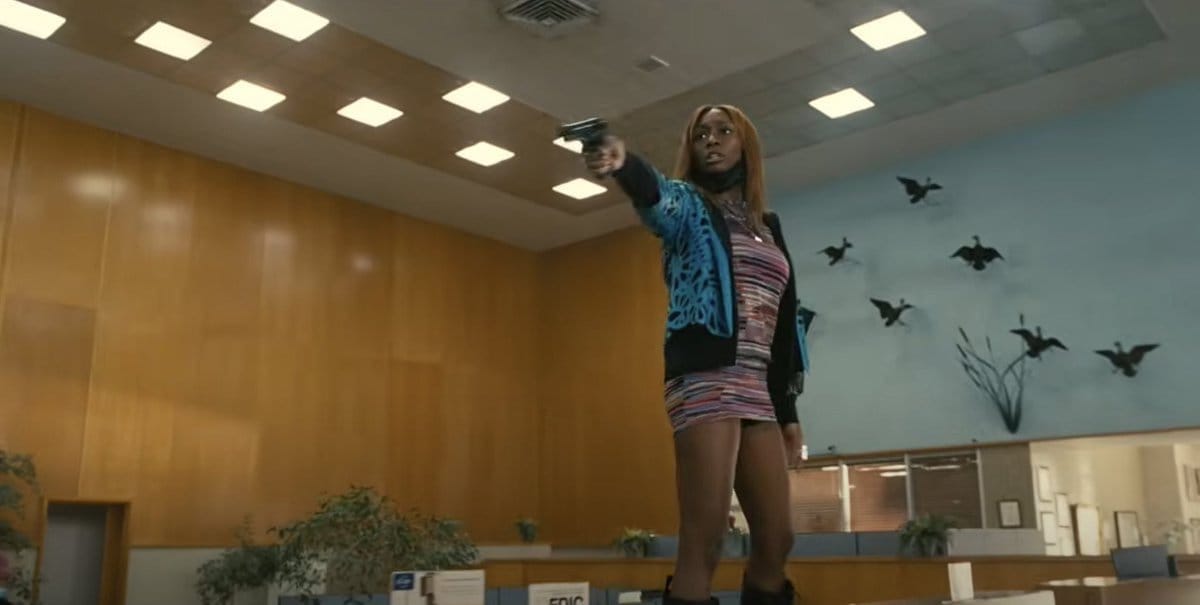
She can’t. Perfidia is dedicated. But she isn’t as dedicated to the cause as she is to the rush, the violence, the thrill, so she abandons Pat and Charlene to continue her revolutionary activities. But then everything goes bad after she murders a security guard during an armed bank robbery, and then she ends up getting caught as cops swarm the area and everyone runs for it.
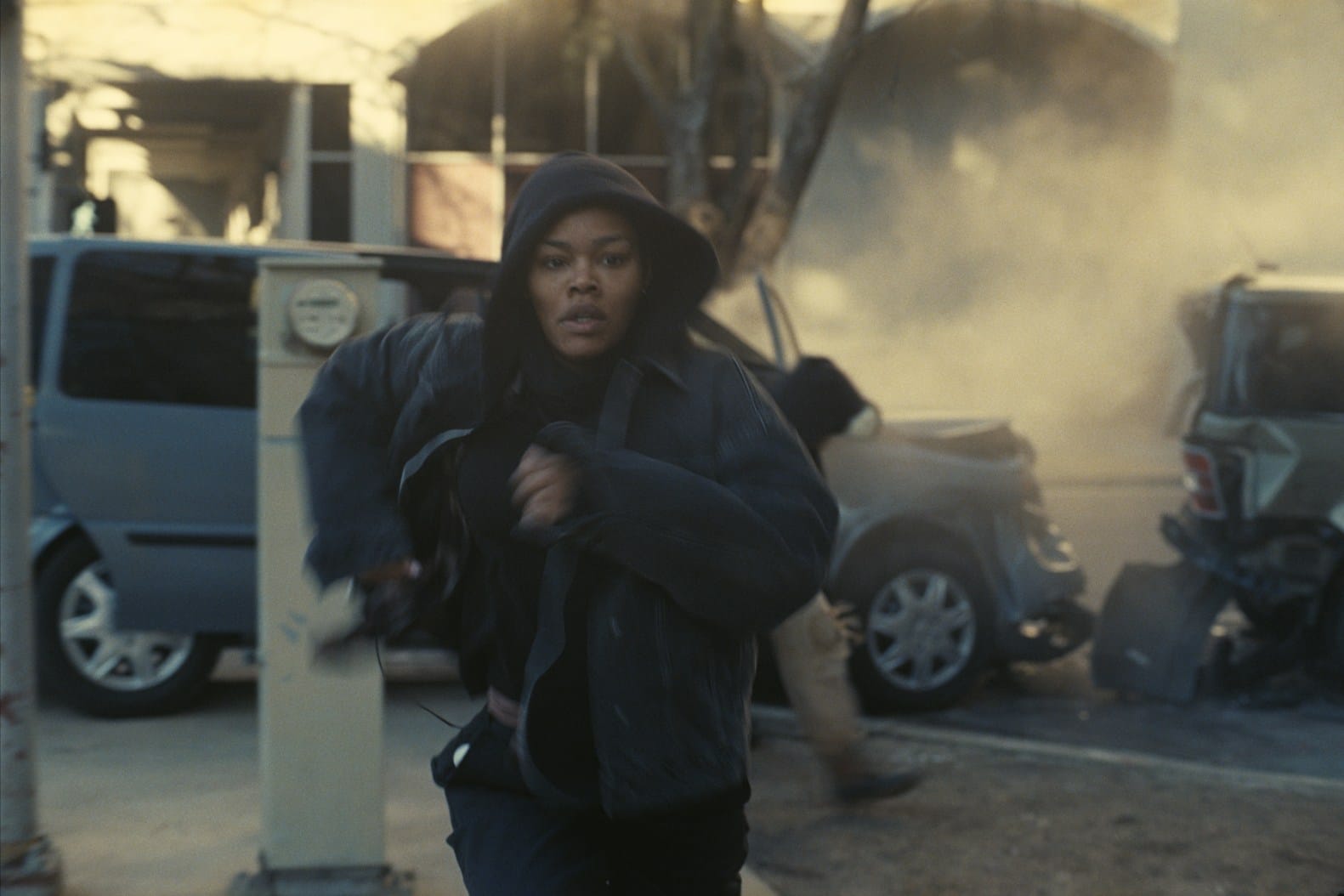
Almost immediately after Perfidia gets pinched, the showboater, the big talker, turns rat. She names names. But whatta ya’ gonna do? Everybody breaks. Not that she put up much of a fight… Either way, her former comrades pay the price. Some are caught. Most of them are killed, and by Lockjaw too. Then, damage done, with French 75 now effectively destroyed, Perfidia slips her leash and disappears.
As everything falls apart, Pat and Charlene use their network of revolutionaries to run, and go underground, assuming the aliases Bob and Willa Ferguson. Before he goes, a comrade named Howard Sommerville gives Pat a pair of beepers, showing him how, when they’re in close proximity to each other, they will give off a certain tune. He tells Pat that, if he ever meets someone who has one of these, that he can trust them with his life.
Sixteen years pass…
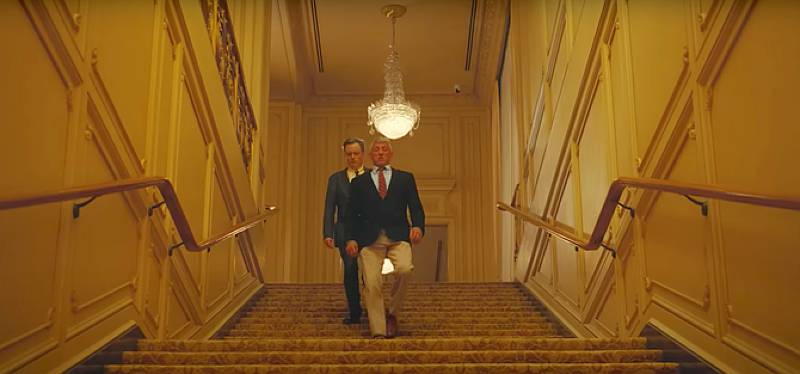
Due to his vehement anti-immigration efforts, Lockjaw has become a prominent figure in the US security agencies, resulting in him getting an invite to join a secret society of wealthy white supremacists known as the Christmas Adventurers Club, which is the perfect name for the stupid little groups these kinds of men create, the kind that’s made up of old rich creepy-ass pedophile-looking white men who still say dumb shit like “reefer addict” and complain about welfare fraud while they avoid paying taxes.
But the whole time, this past sixteen years, even as Lockjaw claws his way to the top, coveting the golden ring he can see hanging just out of reach above him still, he secretly hunts for Willa. Lockjaw believes she is actually his daughter, and he wants to cover up all evidence of his interracial relationship with Perfidia, because the Christmas Adventurers Club forbids miscegenation.
To aid him in this quest, he hires a bounty hunter named Avanti Q, who tracks down Howard Sommerville, triggering a distress signal to the resistance network. From Howard, Lockjaw learns that Bob and Willa are now living in Baktan Cross, California, and he sends his troops there to find them, under the cover of an immigration and drug enforcement raid.
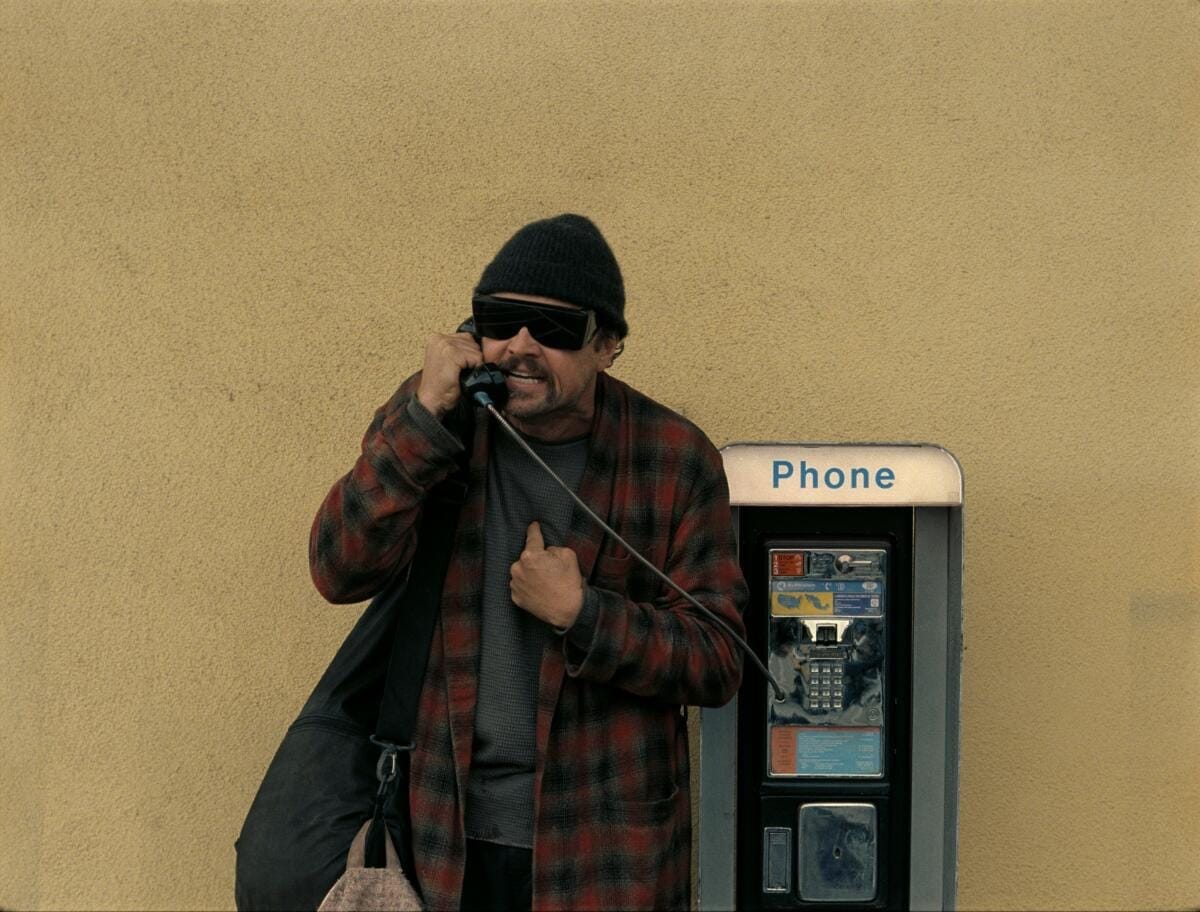
Pat, now Bob, has been living off-the-grid in Baktan Cross for years. He smokes way too much pot, and as a result, he’s gotten a bit paranoid and overprotective of Charlene, who only knows herself as Willa. She has grown into a carefree and free-spirited teenager who chafes at her father’s weird and overbearing paranoid and seemingly conspiracy-addled demands.
But unknown to both of them, two forces are converging on their town… Lockjaw and his jackbooted thugs, and a small cell of resistance members.
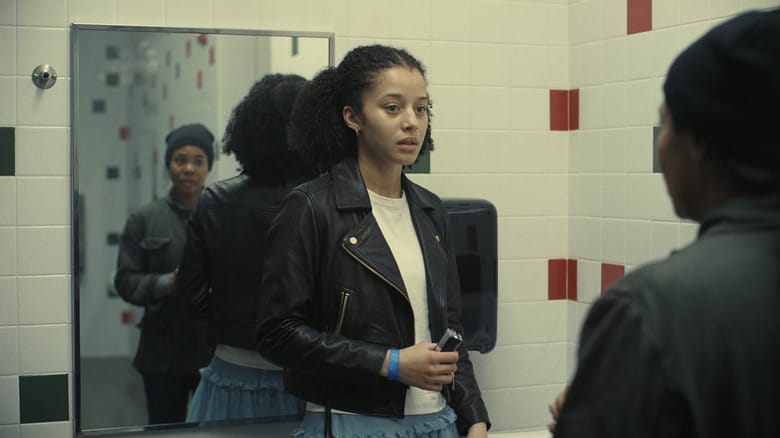
Deandra, a trusted member of the French 75, and a former comrade of Willa’s parents, rescues Willa at her school, using one of Howard’s beepers to convince her to come with, just before her school dance is raided. Bob, meanwhile, is contacted by French 75 just before his home is raided. But unable to remember the web of the resistance’s passwords, because it’s been 16 years and also, he’s super high, Bob is forced to seek shelter with Willa's karate teacher, Sergio St. Carlos.
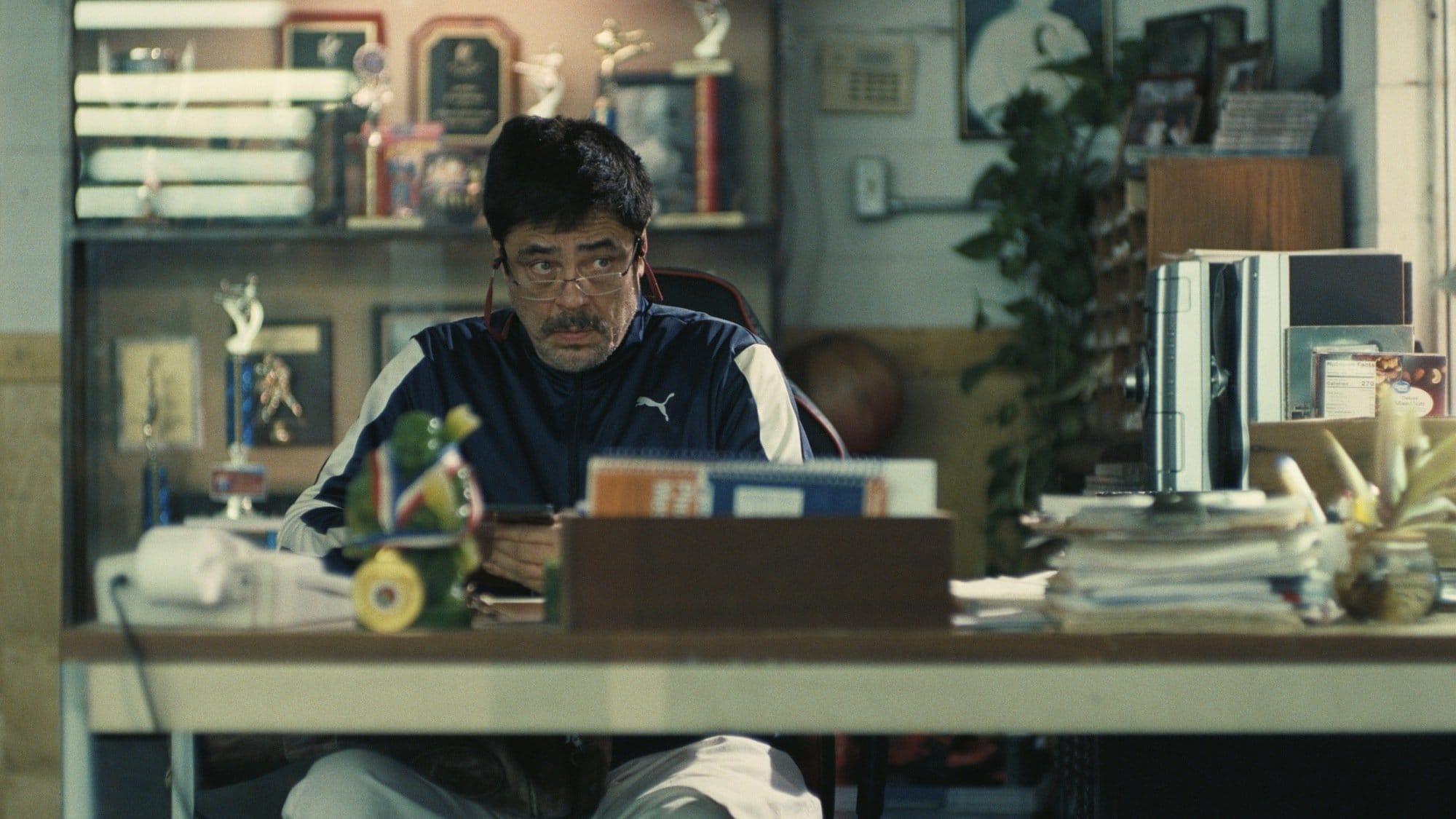
Sergio is an underground community leader and local central hub for activist activities. Sergio helps Bob, all while organizing the quick evacuation of a several immigrants hiding in the community. But while trying to flee with some of Sergio's students across the rooftops, Bob misses a jump and ends up tased and arrested by the local cops who don't know that Lockjaw is looking for him. Sergio is forced to spring him. Deandra, meanwhile, has driven Willa down to the Sisters of the Brave Beaver, a remote convent of revolutionary pot farmer nuns. It is here that she learns the truth of her mother's betrayal.
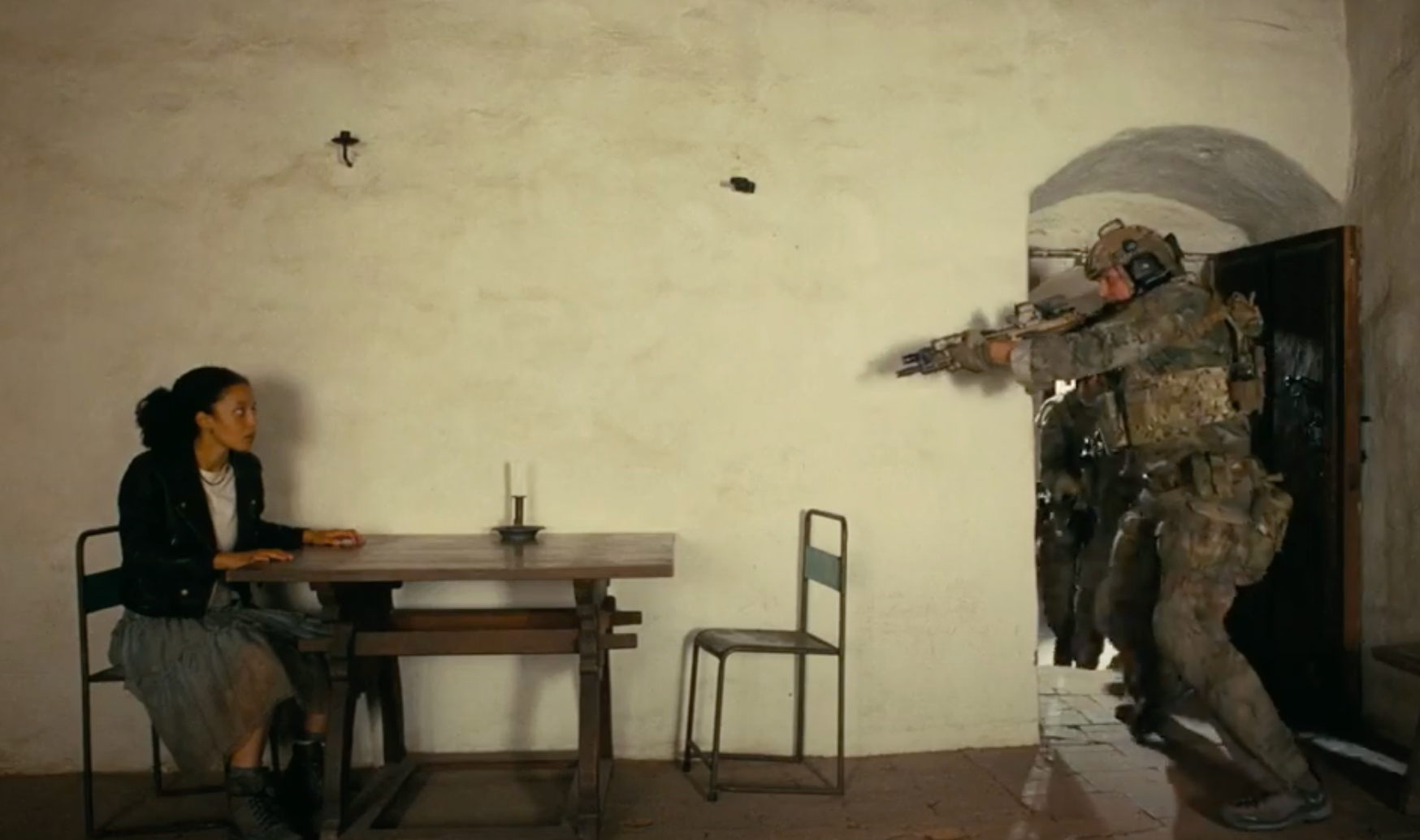
The Christmas Adventurers, meanwhile, have uncovered evidence of Lockjaw's relationship with Perfidia, including claims that he fathered a child with her. They send an assassin named Tim Smith to eliminate both him and Willa. Unaware of this development, Lockjaw tracks Willa to the convent, where everyone is arrested. While forcibly testing Willa's DNA, she taunts him about his dude-bro tight tshirt and the obvious lifts in his combat boots, which makes Lockjaw flip out and go on a sexist and racist rant, before confirming that she is actually his own biological daughter. He despairs, as this will disqualify him from being a part of the Christmas Adventurers Club.
Because of this, and also because of her taunts, Lockjaw decides to kill Willa.
Meanwhile, Bob is desperately stumbling through a series of misadventures as he tries to catch up to Willa. Lockjaw tries to hire Avanti to kill Willa, but he refuses, so instead Lockjaw pays him to deliver her to a far-right militia that will do the job for him instead. Avanti puts Willa in his car.
Driving away, feeling like he is now free of all his problems, and everything is coming up roses, or whatever flower that white supremacists prefer, Lockjaw is puzzled when a car zooms up alongside of his. That's when Tim, the Christmas Adventurer’s assassin, shotguns him in the face, causing him to crash. Tim speeds off from the wreckage, as there's only one last loose end the Christmas Adventurers want him to tie up left... Willa.
Bob comes across the wreckage of Lockjaw's crash soon after, and panics, driving off, desperately hunting Willa’s trail, praying that he's not too late.
Willa, Bob, and Tim are now on a deadly final collision course…
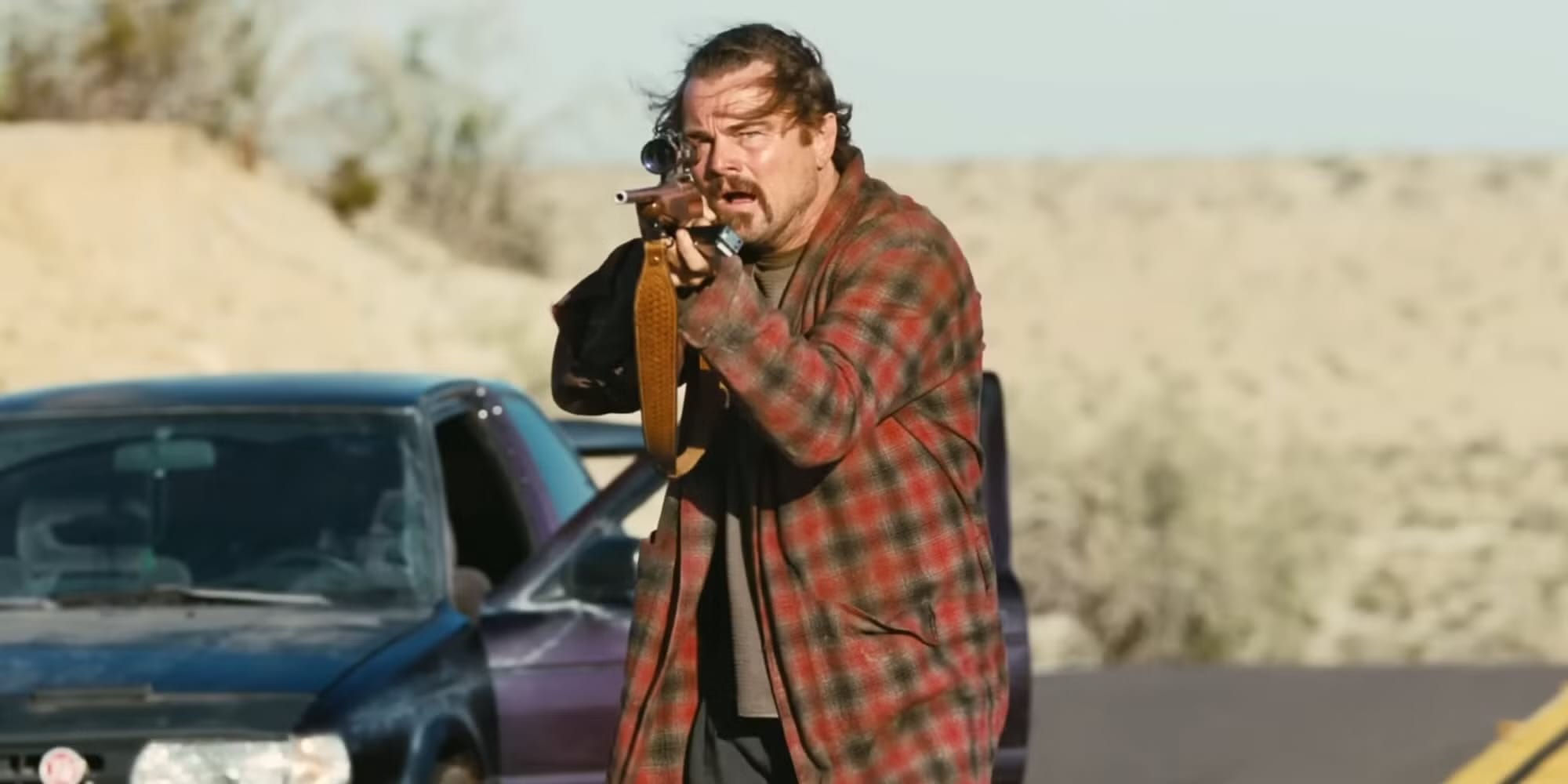
One Battle After Another is a film about a father and a daughter in the midst of a revolution, it's not a film about the revolution itself. This is fine, but it's also kind of the heart of the problem.
One Battle After Another is also a film about family, and the ties that bind, both the ones that were made from love, and the ones that rot you from the inside. It’s a movie about how no one takes OPSEC seriously, but maybe that wasn’t intentional. Or maybe it was. So maybe it’s also about how everyone is cosplaying. It’s mostly a propulsive and exciting little adventure flick, albeit one that clearly believes itself to be much deeper than it is, like No Country For Old Men, but with delusions of grandeur. It’s also the story of America, and clearly rooted in issues that stretch all the way back to the Founding Fathers and beyond, but it just doesn’t have much to say about any of that.
Now, there are those who will praise this film for its refusal to be polemic, but that’s just giving voice to cowardice, as this clear refusal to make a statement about the politics it is clearly set smack dab in the middle of, only ends up reeking of its privilege. It's a decision that speaks more of its love of the romantic accoutrements of revolution, then of any of the reasons behind them. Again, that’s not necessarily a bad thing. As I said, it’s an entertaining little action drama film. What I’m saying here is, just don’t try to tell me that this film is somekind of skewering indictment of society or anything.
People will say, oh come on, this film is obviously anti-Trump film. But is it? Is it really? Does it say that? Does it say anything like that? Or is it that you understand that Trump is a racist, and so is the country he leads—a place where the majority of white Americans, across all demographics, voted Trump three times, specifically to get this exact world we're living in right now, a world run by rabid white Christian Nationalists, who are now free to excute their cruel bigoted agenda—so are you just recognizing our own world in the events you see on screen? Is that it? Are you just making the obvious leap to this assumption because of the broad inferences that the film allows, and then simply filling in the blanks?
Is this just another example of Anderson's intentions not mattering in the face of how it is interpreted by the audience?
Because there’s no reasons given for the revolutionaries in this film. Yes, there’s direct depictions of injustices being done to immigrants and to people of color in America (or ”politics” as the overwhelming majority of white America calls it), but there’s no debate, there’s no mention of parties, or platforms, or agendas, there’s no mention of government officials, no art to reflect intent, no direct discussion of the ideologies that brought this swell of righteous anger to bare, that sparked this revolutionary passion, that fueled the establishment of their network of insurgent support with all of its handshakes and passwords and safe havens, just like there is definitely no declaration of intent when it comes to their direct actions. At least, not outside of some cliched 1960s era type of "revolution" talk. Otherwise, the core of all revolutions everywhere, their raison d'etre, are basically just allusions in this film, and are treated more like givens, like some irrelevant inciting incident that isn't important enough to recap.
It's just vibes.
And just so that we're clear here... I'm not trying to say that this film is actually meant to be taken as pro-Trump, or pro-white supremacy, or pro-white christian nationalist, or pro-fascist authoritarianism, or anything like that... what I'm trying to say is that the film is not actually anti any of that either.
Not specifically.
I mean, I get it. Obviously there’s a part of this that doesn’t need to be spelled out, but seriously, if you’ve ever hung out with kids like this, even the posers, they have one thing in common, and it‘s that they never shut the fuck up about their beliefs, especially when they’re in their cups. But not here. Not at all. And that lack of any political specifics, that refusal to directly name the Devil, as it were, it makes the whole thing seem hollow, more aesthetics than ideals. And like I said… that’s fine, it’s just a fun little adventure thriller film. That’s fine. I love those.
I’m just saying, let’s not lose sight of that, people.
And who knows, there's a part of me that thinks, maybe this is just the film trying to be vague in order to maintain a timeless feeling to its setting? After all, the time period is clearly modern, but all of the talk, and even the style of French 75, is very 1960s "turn on, tune in, drop out" so it also feels very untethered. Is it the present? Is it the day after tomorrow? Is the America in this film even our America? There’s a very clear throw-away line that mentions Lockjaw getting the "Bedford Forrest Medal of Honor.” This does not exist. Now, obviously this is meant as a dig at the racism inherent to the US government, but does it also mean this film takes place in an alternate America, one where maybe the Confederacy won the Civil War? I’m not willing to say yes here, because I really don’t believe that this film is a subtle sci-fi alternate history movie, BUT–what with those weird beepers, the way they use the term "Sanctuary Cities" in a way that feels like it's implying a different jurisdiction and maybe thats why they needed the raid cover story, all these little things like stuck out to me—I also don’t really want to say no here either...
It's just not clear.
It probably doesn’t matter, because more likely, this lack of being tied directly to any specific time, to any specific political intention outside of "revolution" is just a side effect of the film's otherwise general refusal to take any kind of a stand at all, to make any kind of statement, or to even directly name the actual real world bad guys that Lockjaw represents, and that feels pretty chickenshit to me, especially since the film clearly relies on the inference, clearly relies on the audience "filling in the blanks." And that bugs me. Fucking say it, man, don’t just wear the clothes. In this world? Right now. Fucking say it. I'm not going to go so far as to claim that this movie is as bullshit chickenshit "both sides" as Civil War is, but it’s not as far from there as I would prefer it be. As I’ve already said, it’s still a pretty entertaining film, but I don't like how it feels like it’s lying by omission when it comes to its themes.
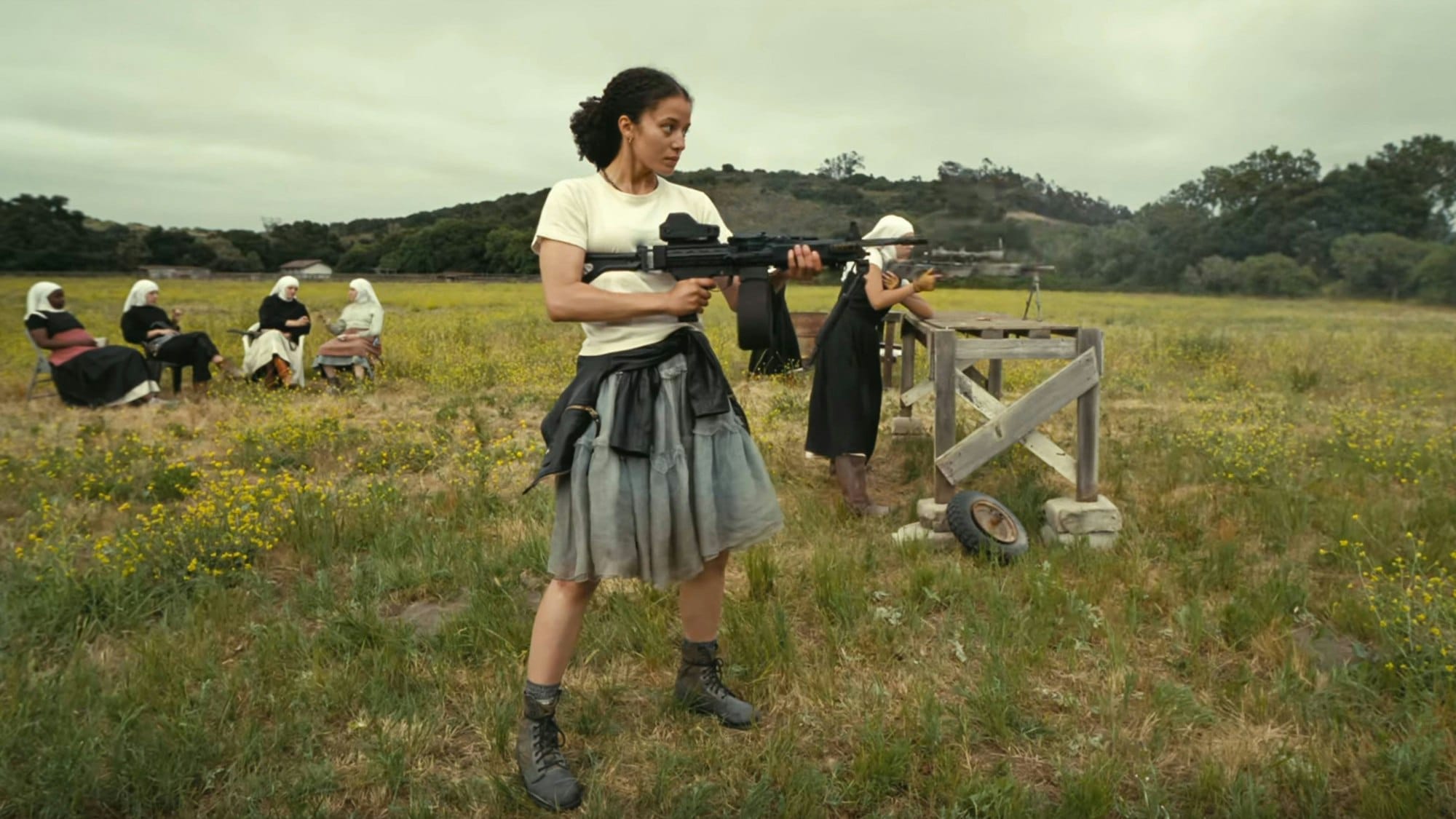
That’s not to say that it‘s not a great film, it is, just a shallow one, akin to a fantastically crafted chocolate Easter bunny, exquisitely carved on the outside, with its artfully drawn whiskers and watch, little vest, little fluffy tail, but inside… it’s hollow. Which is fine, everyone loves a good chocolate Easter bunny, but let’s just maintain awareness of that truth, please. While the film may namedrop The Battle of Algiers, it most definitely is not The Battle of Algiers.
Still, the cast is fantastic. From Bob and Willa, to Col. Lockjaw, to Perfidia, and Deandra, and Junglepussy, and Sensei Sergio, even Avanti Q, this is a film of great performances, of compelling performances, of very human and very natural and real feeling performances. There’s not a weak link amongst them. And while it’s definitely an anti-fascism story more due to its setting than due to its convictions, it’s still pretty amazing that a major Hollywood studio would even finance a film like this in a time like this.
And in the end, it's definitely exciting. Often really tense. It looks cool too. And all my complaints about its lack of definitive stance aside, I did love the fact that there was zero redemption for the bad guys, something that I was a bit afraid was going to happen at certain points in the film. So, yeah, with admittedly more than a few issues, I will still give this film a thumb’s up, and I will definitely end up watching it a second time, sooner, rather than later.
It really is pretty entertaining.
Now, will Paul Thomas Anderson get the Oscar this year? Probably. Yeah. At this point, I’d call him the lead horse in that race. Does he deserve it? Honestly, yeah, maybe. I think so. I won’t take that away from him. It’s a really good film.
But will the Academy award him with that Oscar for the wrong reasons, for more than it just being a good movie, but for those "fill in the blanks" reasons? Oh, fuck yeah they will, they most definitely will. The Academy is made up of the exact lip-service liberals who would think voting for this film is them "sticking it" to Trump. And also, those exact same people's own racism will see them not wanting to give anything to Sinners if they can help it, and not just because of their racism, but because Coogler went outside their system and was really successful too. They fucking hate that. Of course, none of that is necessarily One Battle After Another's fault, that's just the reality of the Academy, but this will definitely be at least a part of its Oscar win, if it does get one, because that's what white privilege means.
Regardless of all that, One Battle After Another is a good time at the movies. It's definitely worth checking out.
Thumbs up.