Sentimental Value
The healing power of art

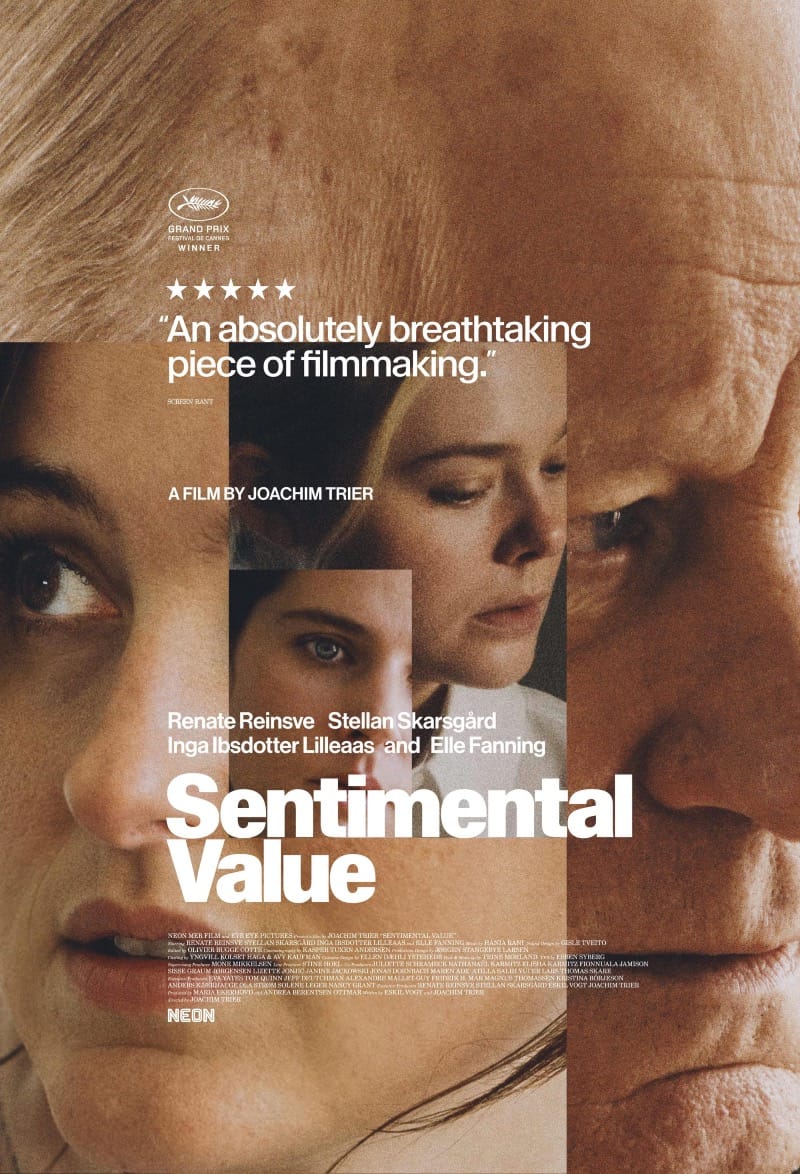
After their mother's death, sisters Nora and Agnes reconnect with their estranged film director father, Gustav, and he offers Nora a role in his new film. She refuses, so he casts an American star instead, causing the family to finally confront the issues of their past.
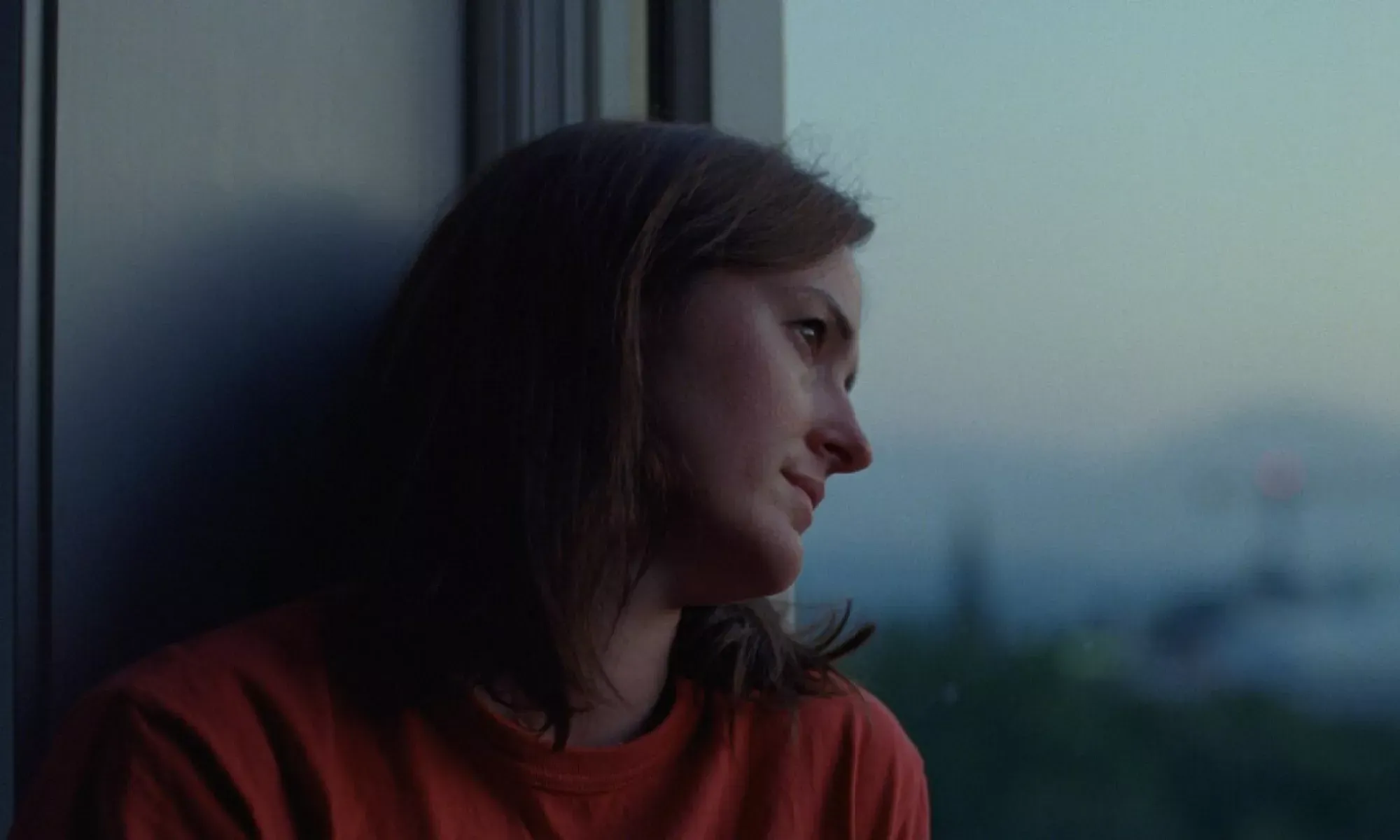
Sentimental Value is the latest movie from director Joachim Trier, a former Norwegian teenage skateboarding champion, whose seemingly Ingmar Bergman-inspired films are often described as melancholy meditations focused on questions of love, memory, and identity, all while often exploring dreams and desires of artists on a quest of self-discovery.
The sixth feature film directed by Joachim Trier, like so many of his films, he co-wrote this one with Eskil Vogt, a fellow Norwegian film director and screenwriter. The pair’s previous film was the excellent romantic comedy-drama, The Worst Person In The World, which was the third and final film in Trier’s Oslo trilogy, which included Reprise in 2006, and Oslo, August 31st in 2011. I still haven't seen them, but I will definitely get around to them at some point. Especially after seeing The Worst Person In The World and Sentimental Value, because both of these films were great.
Anyway, the Oslo trilogy, as well as two other Trier films, were co-written with Eskil Vogt, making Sentimental Value is their sixth feature film together. Actress Renate Reinsve appeared in Oslo, August 31st, and then she starred in The Worst Person In The World, so Sentimental Value is now her third film with Joachim Trier. I guess, much like his character in this film, Gustav Borg, Joachim Trier apparently likes to work with his friends.
So...
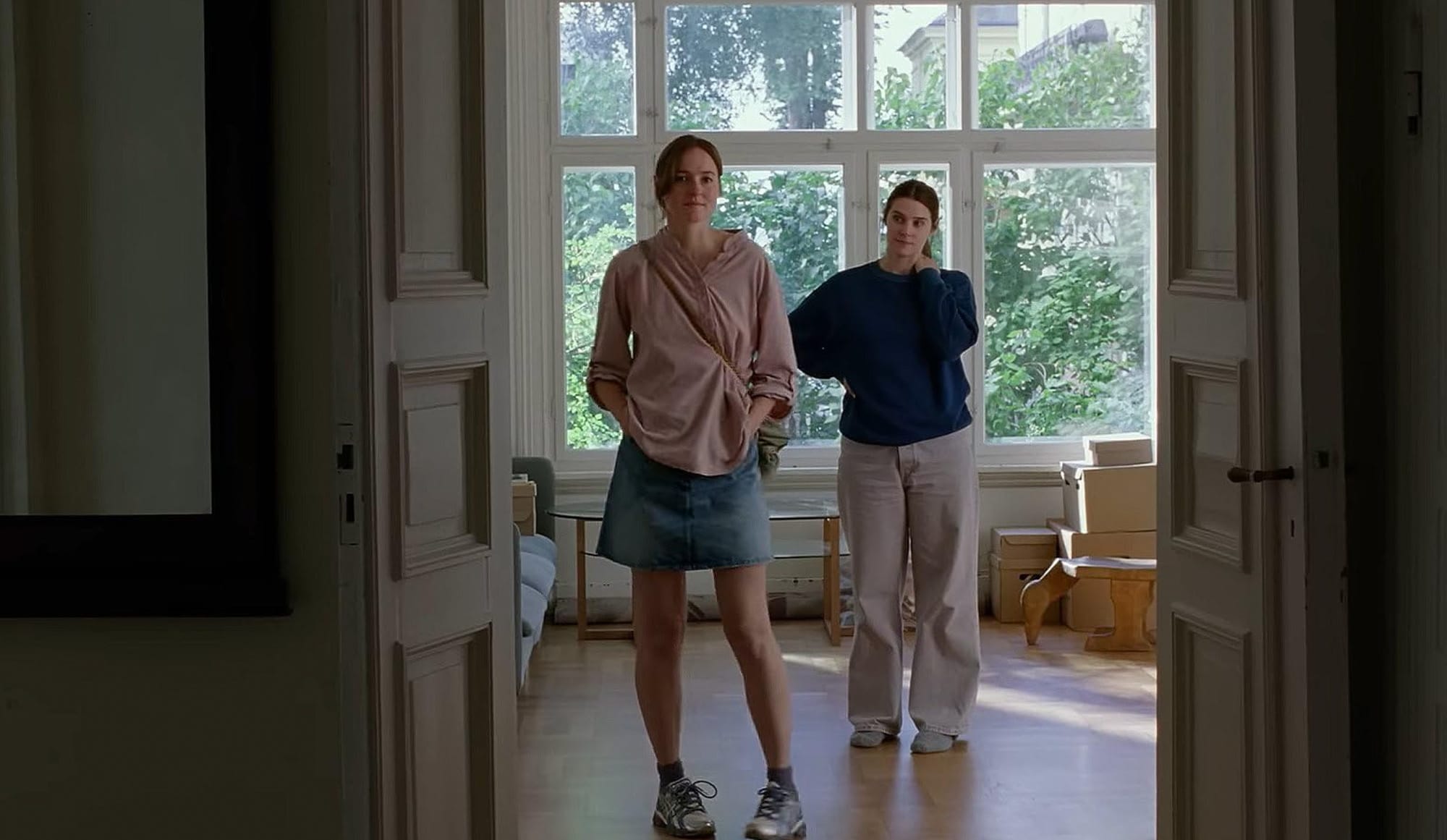
When film director Gustav Borg and psychotherapist Sissel Borg decide to end their troubled marriage, Gustav uses the divorce as an excuse to leave Norway and to focus on his career as a director. Sissel raises their daughters, Nora and Agnes, in their Oslo home, which has been in Gustav's family for generations.
From soon after the house was first built years and years ago, the family home has had a pronounced crack. It runs from the foundation of the house, and up the side of the structure in what couldn't be more of a “literary fiction” kind of metaphor…
The years pass, and Gustav becomes a very well-known as a film director. Agnes grows up, and after a brief stint as a child actress in her father's films, she becomes a historian. She marries, and has a son, Erik. Nora becomes a very successful stage actress, although she suffers from debilitating bouts of stage fright, and is prone to having affairs with her married colleagues. Gustav and his daughters rarely talk.
But then Sissel dies, and Gustav returns to Norway to reclaim the house.
Over the years, Gustav’s pattern of extended periods of disinterest, broken up by short bursts of selfishly-motivated attention, not to mention his drinking problem, means that his daughters have grown to resent him, although Agnes is much more sympathetic towards him than Nora is. At Sissel’s funeral, Gustav tries to reconcile with them, but these attempts are derailed by the usual issues and recriminations coming back up to the surface, especially as they see Gustav beginning to develop a relationship with Agnes's young son Erik, with the same old pattern emerging as it is only through the lens of Gustav’s own interests: movies. It's even worse when his real motivation for returning to Norway is revealed. Y'see, Gustav is getting older, and with his career on the decline, he often struggles getting financing his projects, and now he is working on his latest movie, the one he thinks will be his best one. It is a story seemingly inspired by his mother Karin, a woman who had been part of the Norwegian resistance in WW2, which led to her being tortured by the Nazis, and then, years later, committed suicide in the family home when Gustav was only seven years old. He wants to film his movie in the family house, and most of all, he wants Nora to play the lead.
Nora refuses to even read the script.
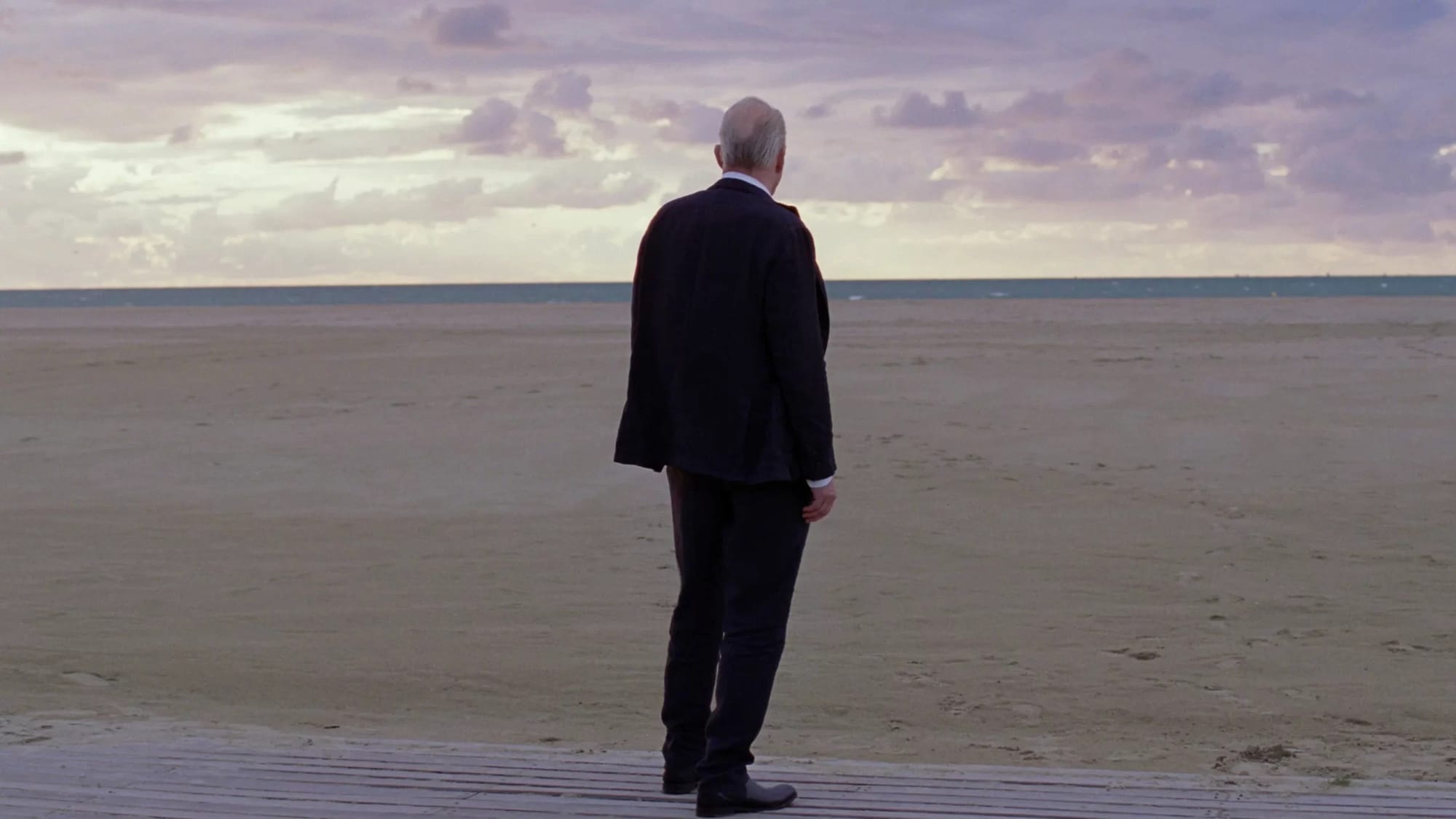
Adrift, his project on the verge of falling completely apart, Gustav encounters American actress Rachel Kemp at the Deauville American Film Festival, where an older film of his, one starring a very young Agnes, is being shown. They hit it off, and as Rachel is hungry for a project that speaks to her soul, and Gustav is hungry for a lead actress with the kind of name that can attract studio interest, he offers her the lead role he originally offered to Nora. Rachel was very moved by Gustav's film, so she agrees. He signing on to the project convinces Netflix to finance it.
But soon enough, Gustav begins to resent working within the confines imposed by the streamer. Then, when Gustav visits his longtime cinematographer, Peter, he is shocked to find him to be frail and old. This causes Gustav to hear the ticking of his own mortal clock, to realize that his own time for making art may be over before he is ready to be finished. Then, becoming increasingly self-conscious with not being Norwegian, not to mention with the material itself and her inability to find a way inside it, Rachel realizes that the role is not right for her, and that Gustav's choice for the role is still Nora, so she quits.
The project is crumbling once again.
Throughout this, Nora is upset by seeing the way Gustav treats Rachel with more empathy than he ever did his own daughters. Then, the man she is having an affair with actually leaves his wife, and yet, he still refuses to commit to her. This is made worse when Gustav then suggests that is her internal rage, her refusal to move on from their family issues, that are the real reason why she can’t find love. Nora sinks into depression.
Meanwhile, Agnes is furious to discover that Gustav has decided to cast her son Erik in his movie, and has already talked to him about it without first getting her permission. She angrily tells Gustav that being in a movie with him as a child was not a wonderful experience for her, just another instance of his neglect.
After Rachel leaves the film, after the project falls apart, after his daughters rebuff him, Gustav passes out drunk outside of the house, and ends up being hospitalized.
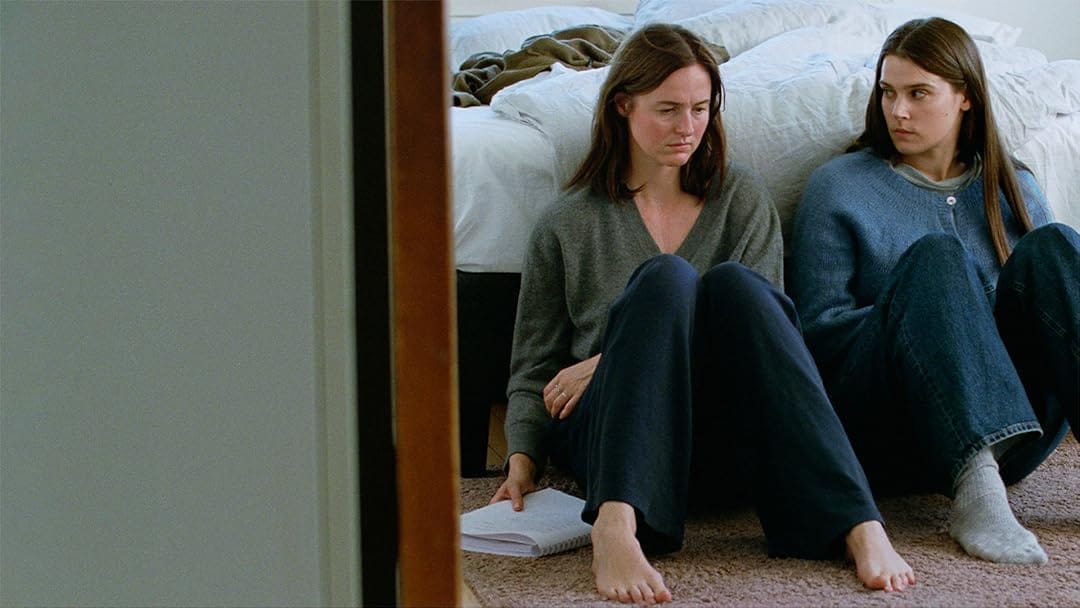
In an attempt to try to understand her father better, Agnes visits the National Archives of Norway, looking for her grandmother's testimony about her torture at the hands of the Nazis. Seeing the generational trauma that had been passed on to Gustav, Agnes decides to read his script. She realizes that while the film is inspired by the life and death of his mother, its emotional arc is actually about his sincere regrets over his broken relationship with Nora. The script's final scene culminates in a moment that reflects his mother's suicide with Nora’s own suicide attempt, which is something that Nora and Agnes never actually shared with him. Agnes pushes Nora to read the script.
She finally does, and agrees to join the film.
Some time later, it is shown that Gustav was able to raise the money he needs to finance his film by selling the family home, which now has a new modern paint job and furnishings, as it begins its new life with a new family. We then see the family on a sound stage that has been built to look like the old family home, as Nora performs the climactic scene of Gustav's script, with Erik acting as her son.
After the take, Nora and Gustav exchange a wordless, understanding look.
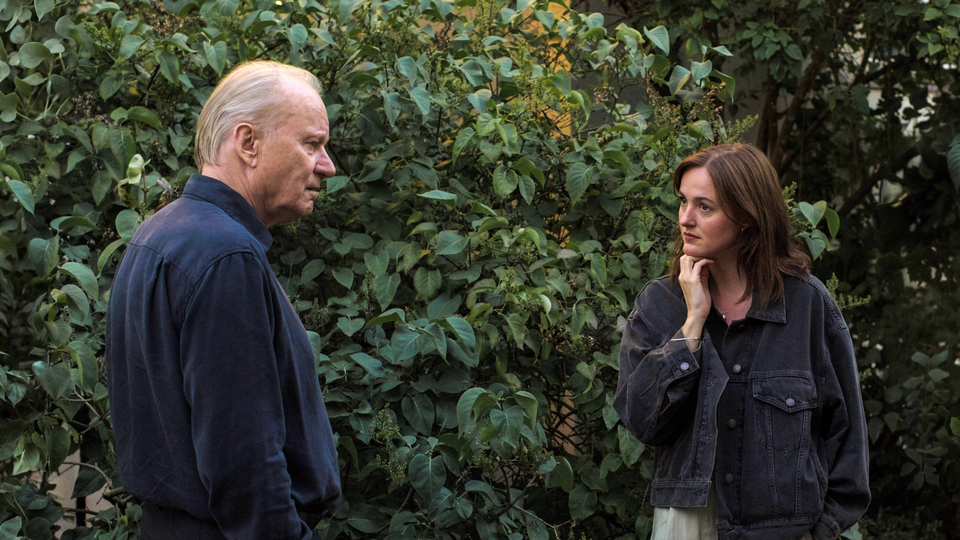
Sentimental Value is a quietly stunning little family drama, one that provides no easy answers or any simple redemptions, that tells a story about a director making a semi-autobiographical movie in a quest for connection and emotional catharsis... all in a very clearly self-reflective, multi-layered, metaphorically-laden film that was made by a director who seems to make semi-autobiographical films regularly. It kind of made me wonder what might be going on in Joachim Trier's life at the moment...
But that aside, Sentimental Value is a movie about artists. It's about the act of creation, and the effort to create an enduring legacy that you can be proud of. At the same time, it’s a film about loneliness, connection, and the emotional fall-out that comes with the failure of the ties that bind. It’s about the preponderancy of life’s myriad small difficulties. But most of all, it’s the story about a fucked up family, and the healing power of art.
I really liked how this film doesn't attempt to wrap everything up in some big climatic scene where everything is all better and everyone skips off, hand in hand, happily ever after. That would've undone all the honesty of the characters that the film had worked so hard to establish. Instead, when the story ends, and it doesn't claim to have fixed anything, it just shows that maybe the characters understand each other a little more now, that maybe they're in a better place at the moment, and that maybe they can take some more steps towards each other in the future, maybe, but for now, they're good. Good enough. It doesn't say that their various problems are solved, just that there is now the potential for continued healing, and that can be enough. For now.
I really liked that.
And I really loved that in the end, all of this stems from their art, that this is what binds them, and that creating allows them the freedom to express themselves, to be vulnerable, to share who they are with each other. I loved how that is what led them to their new understanding, that this is what gives them a new life. It's a very simple truth that is just so profound and inspiring. I really loved it. I also loved that the existence of the film itself also acts as its own thesis, that art inspires and heals. In the end, this is the kind of film that makes you want to make your own things, and to speak your own truths, because art is life, and life is art.
Corny, sure, but true nonetheless.
Conversely, to take a moment and be a little selfish here, and center this in our own reality, I also love the unavoidable implication that this is why fascist white America, the "conservative" movement, the evangelicals, the AI weirdos with their terrible plagiarist machines currently poisoning the world in order to shit out their soulless automated "art," all of those ugly, stupid, and mean fuckers and bigots and Nazis out there... this is why they're a rabid death cult, unable to envision a future without megadeaths. It's because they aren't capable of doing any of this. And not because they don't maybe have the talent–although they surely don't, if they did, they would have climbed out of the shitpile that is their culture just like the rest of us, unable to ignore the need to spread their wings. And it's not because they can't learn to develop certain abilities either, after all, they were all taught at the knees of the monsters that raised them to love and embrace the hatred and cruelty and entitlement, taught to become monsters, just like the monsters before them had been. No, it's because they won't allow themselves the possibility. They won't allow themselves to release their toxic preconceptions. They won't allow themselves to be vulnerable. They won't allow themselves the risk of a leap of faith, to believe in themselves and their own voices. And they hate to see others live so fearlessly. Because making art is all risk. You might only ever fail. And they are cowards. This is why they have built a culture of stealing art and cultural appropriation. In nutshell, that they wear War Bonnets to raves, and then rage when told not to, is why they're a death cult... they create nothing, so they value nothing. As a culture, they are on the far side of what allowing themselves to freely create could possibly give them. Those people will never watch this film, or any films like it. They certainly won't listen to them if they ever do. And that's a shame. Because maybe if they did watch something like this, if they did listen, if they did allow themselves to hear what is being said, then maybe they could allow themselves the freedom to see a potentially much better world, and in doing so, see themselves, a potentially better person, within it. And then maybe, just maybe... they'd stop trying to destroy the world in order to realize their dream of showing the rest of us that they were right about the bible all along.
But I digress...
As for the film itself, it is slow, yes. That's fair to say. It takes its time, yes. It's definitely quiet, it's definitely a very restrained look at the very relatable topic of the emotional wreckage left behind in broken families. It doesn't lay out exactly what everyone is feeling or why, and there isn't a full explanation of why they come to their eventual new understanding. It's said, yes, but it's also implied, it's also felt. It's a beautiful and sensitive film, filled with very complex, very believable, very "real" characters, with all their flaws on display. And it’s all such good, such natural-feeling, and most of all, such believable work. The actors truly disappear into their roles, and in their performances, the things they talk about, the things they don't talk about, the way they are with each other, the way Gustav, Nora, and Agnes share the joke about the stool, it's just... very believable. It's all very strong, very nuanced work. I loved it. A joy to watch.
What I really liked here, is that it's not a bunch of big screaming fights either. There isn't a lot of slamming doors or shouted recriminations or hot angry tears. There's some, sure–and maybe this is just a reflection of how Norwegian culture differs from America–but while the emotional moments are cathartic, the drama is really more defined by the small moments, the familiarity, the knowing looks, the shared cigarettes, the snort of quiet laughter, it all so perfectly illustrates that while these are strained relationships, they’re still relationship, and these people are still bound by a long shared history. They don’t tell you this, they show it. It really is fantastic work.
So, yeah. Quiet, but powerful. Honest. Sentimental Value is a film about the small things that are huge in our lives, and the healing power of art.
Big thumbs up.