Traditional Christmas Movies: The Silent Partner
Everyone underestimates Miles.


It's Christmas, and a bank teller skims $50,000 for himself during a robbery, and a Santa Claus-dressed crook wants it back.
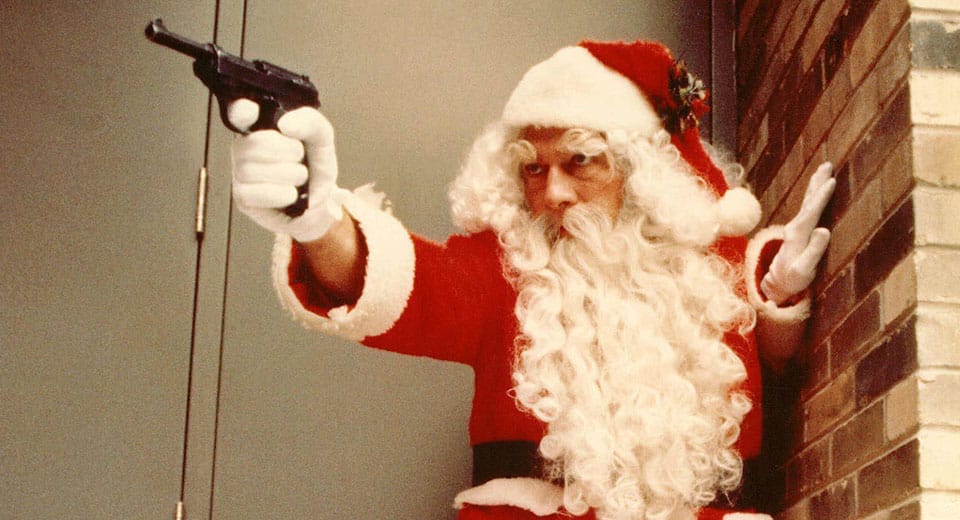
What’s this? A Christmas set movie, with Elliot Gould as an opportunistic bank teller and Christopher Plummer as a Santa Claus-dressed bank robber, in a late 1970s neo-noir bank robbery thriller? One where a very young John Candy also appears in a small role as “another guy who also works at the bank?”
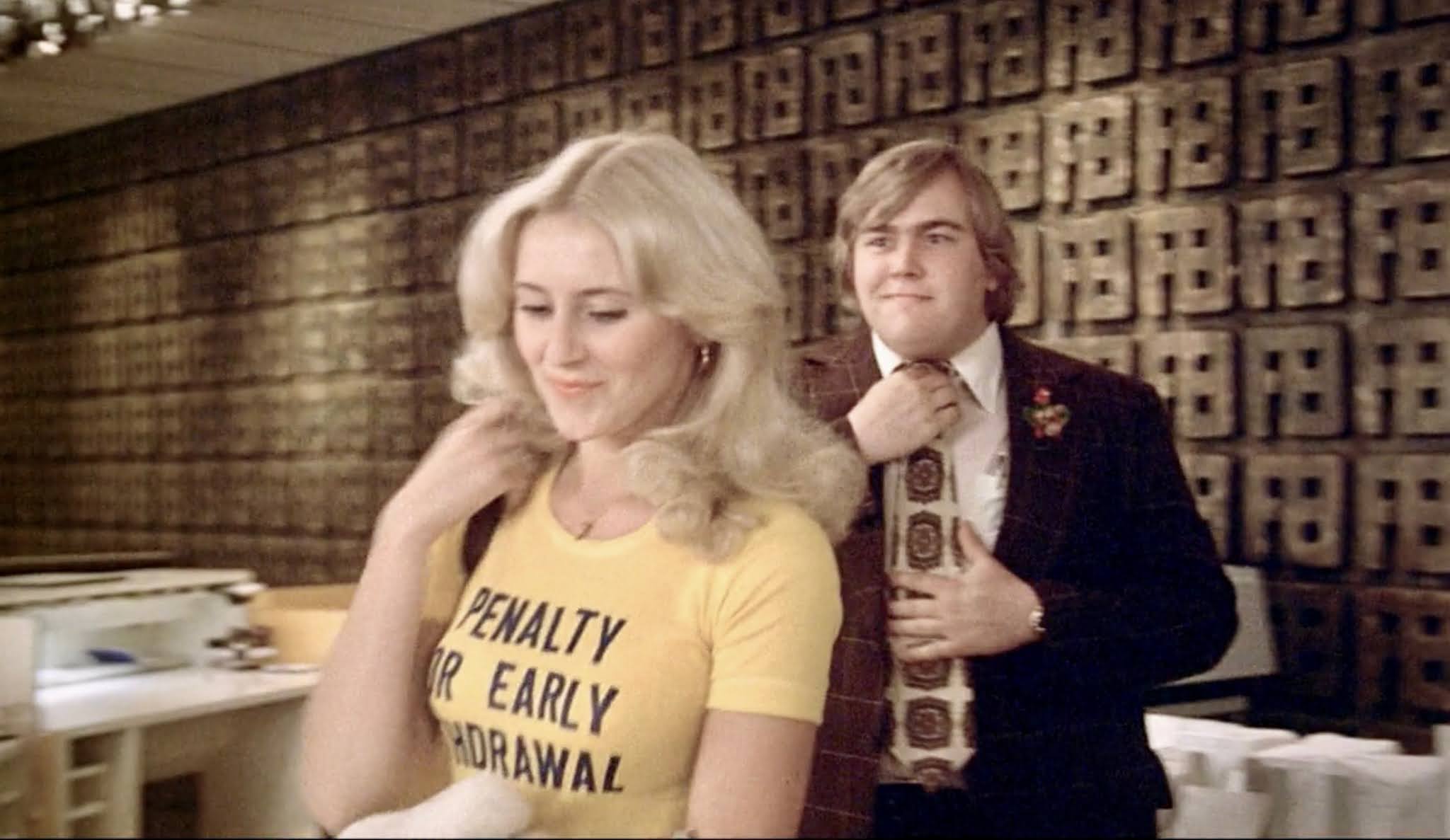
I think I speak for all of us when I say… Yes, please.
Danish writer Anders Bodelsen’s novel “Think of a Number” had been adapted twice before The Silent Partner debuted in 1978. The first time was a 1970 Danish film that was directed by Palle Kjærulff-Schmidt. After that, there was a 1972 West German “telefilm” directed by Rainer Erler. I have never seen them, but I’m willing to bet they’re even stranger than this film is, but in a weird ”Northern European” way. That said, I bet it probably makes a lot more sense in those films that Harry Reikle would be using a Walter P-38 pistol…
Anyway, I had no idea when I sat down to watch this film that the script was by Curtis Hanson, who directed the incredible Oscar nominated L.A. noir film, L.A. Confidential. But back then, he was a nobody and apparently wrote this script on "spec" in the hopes of being able to direct the film too, but it went to Daryl Dukes instead. But then, when Studio Execs wanted Duke to add a beheading scene and he refused and they fired him, that scene, as well as the rest of the film, ended up all being directed by Hanson, so sometimes dreams do come true…
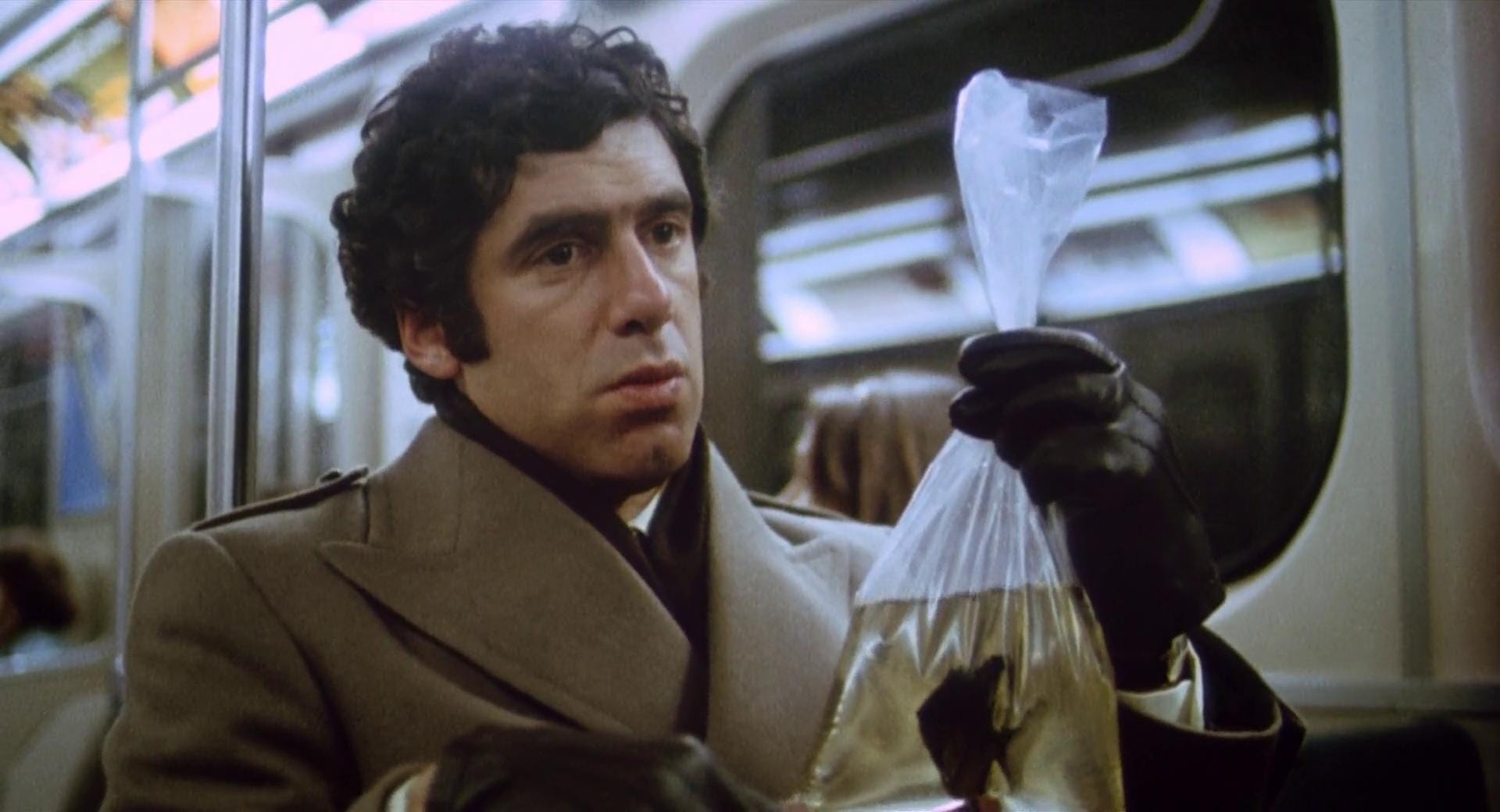
Everyone underestimates Miles Cullen.
Miles is an average guy. He lives alone. He’s into collecting fish. He works as a teller at a bank in a Toronto shopping mall, back in the days when banks existed in malls, which was back in the days when malls still existed, which means it was also back in the day when people still went to banks and malls in person.
Miles spends his days sniffing around his coworker Julie Carver’s ass, hoping for a taste. But despite finding him pleasant to work with, she’s not interested in him at all. Not just because she finds him to be otherwise boring either, but also because she’s currently having an affair with the boss, the bank's married manager.
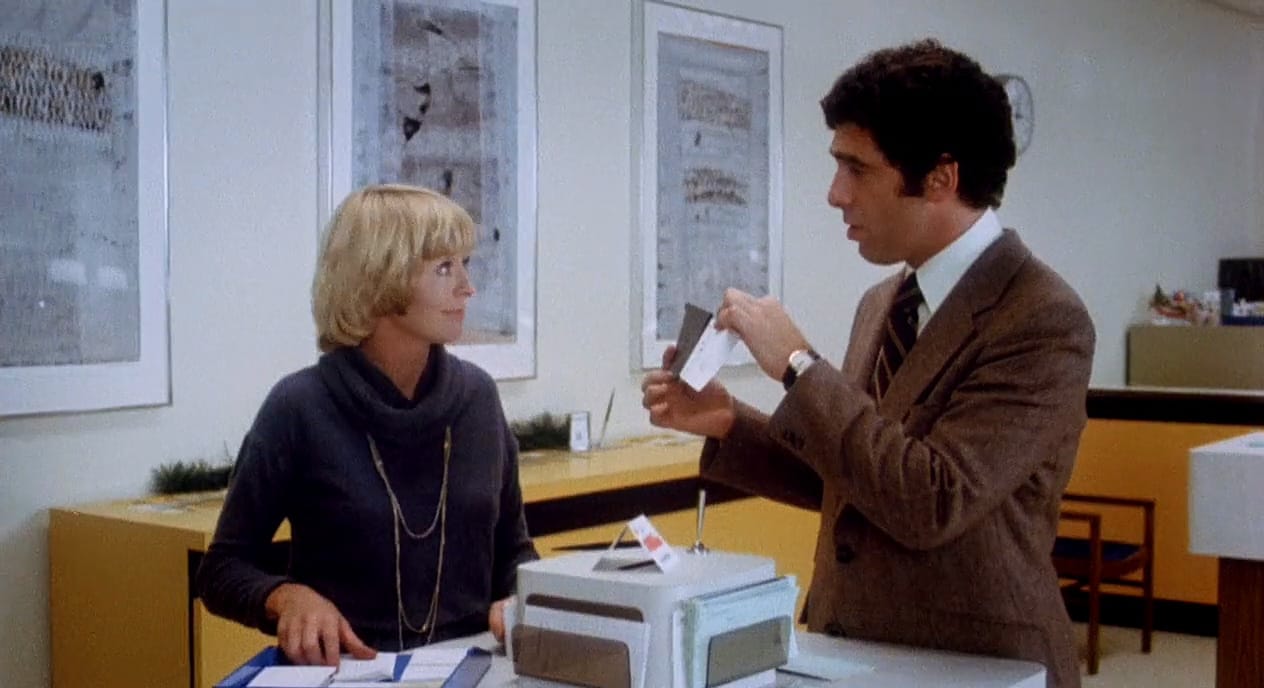
It’s while he‘s shooting his shot with Julie and missing, that Miles accidentally learns that the bank is being targeted to be robbed when he finds a discarded hold-up note on one of the bank's deposit slips. He soon figures out the note was written by the mall Santa Claus, who is ringing the bell for the anti-GLBTQ charity, The Salvation Army, as his sign was done with the same distinctive handwriting that’s in the note. The Santa turns out to be a man named Harry Reikle.
But instead of contacting the police, or even informing his boss (I think the reason why was that he wanted to have some more money to throw around to entice Julie, but I’m not sure, it could’ve been to buy more fish), Miles hatches a plan. Bringing a lunch box to work, he begins stashing cash from his window's transactions in his lunch box rather than in the bank's till.
Then, when Reikle—still dressed as Santa—actually does come in and holds the bank up, Miles only gives him a small amount of cash before he trips the alarm, which makes Reikle flee, shooting his way to freedom.
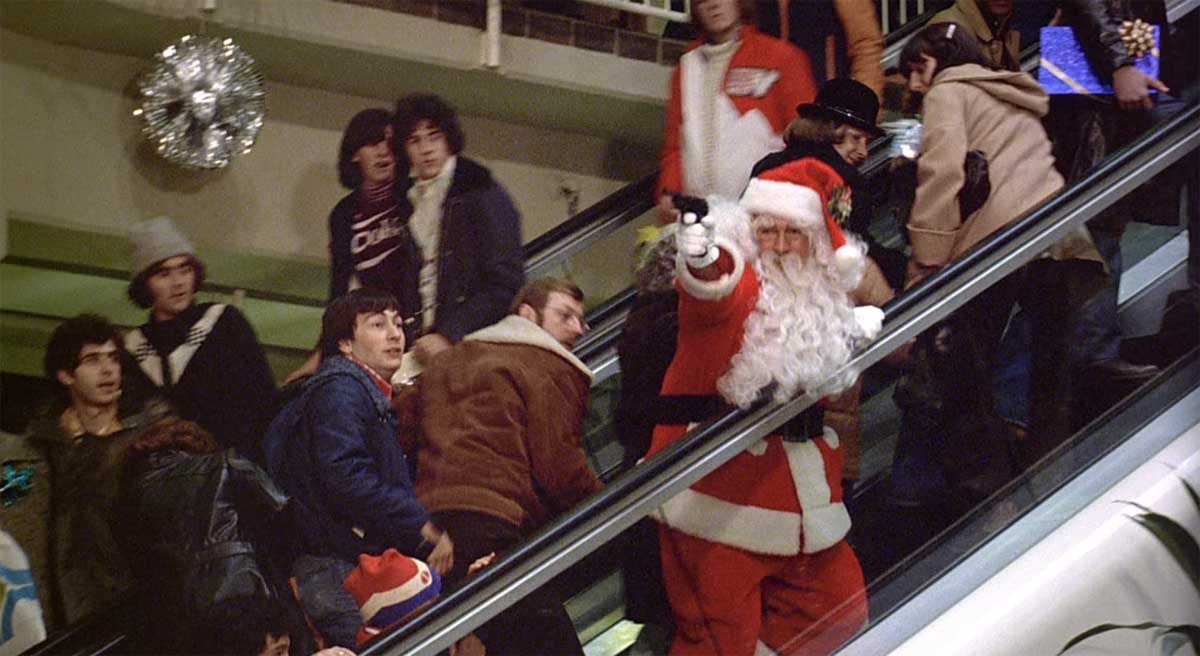
In the aftermath, Miles simply tells the cops that Reikle got away with all the money that he had been stashing throughout the day, and goes home with about $50,000. After that, he returns to the bank with the cash, stashes it in an unused safety deposit box, and hides the keys in a jar of grape jelly in his fridge. Then, he simply sits back and waits.
Everyone underestimates Miles.
Unfortunately, Reikle figures out what happened when he starts seeing the news reports of the robbery, which include how much money was stolen in the robbery, and he knows that he did not get away with that much cash. So he figures out who Miles is, follows him home from the bank one night, and starts making threatening calls and harassing him.
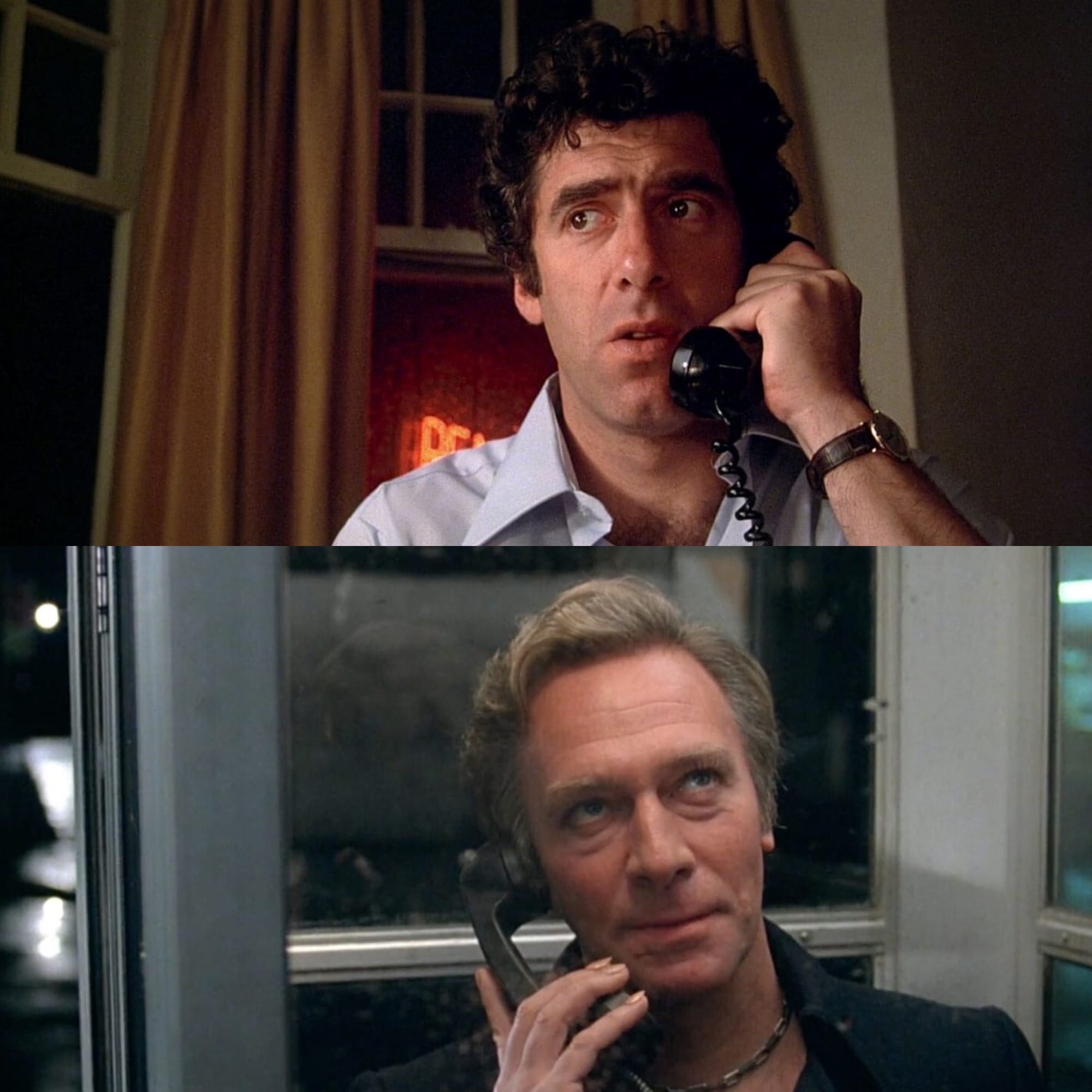
But after Reikle breaks into Miles' apartment and trashes it while looking for the money, Miles frames Reikle for the theft of a delivery truck. Reikle is arrested for that, for having a pistol, and for assaulting a young woman at a sex club. But when Miles is asked to identify Reikle in a lineup as possibly also being the bank robber, he pretends that he doesn’t recognize him, because he doesn’t want Reikle to then implicate him in the bank robbery too. Besides, Miles figures, Reikle is already going to prison for other crimes, so that’s good enough.
And thus, Christmas is saved.
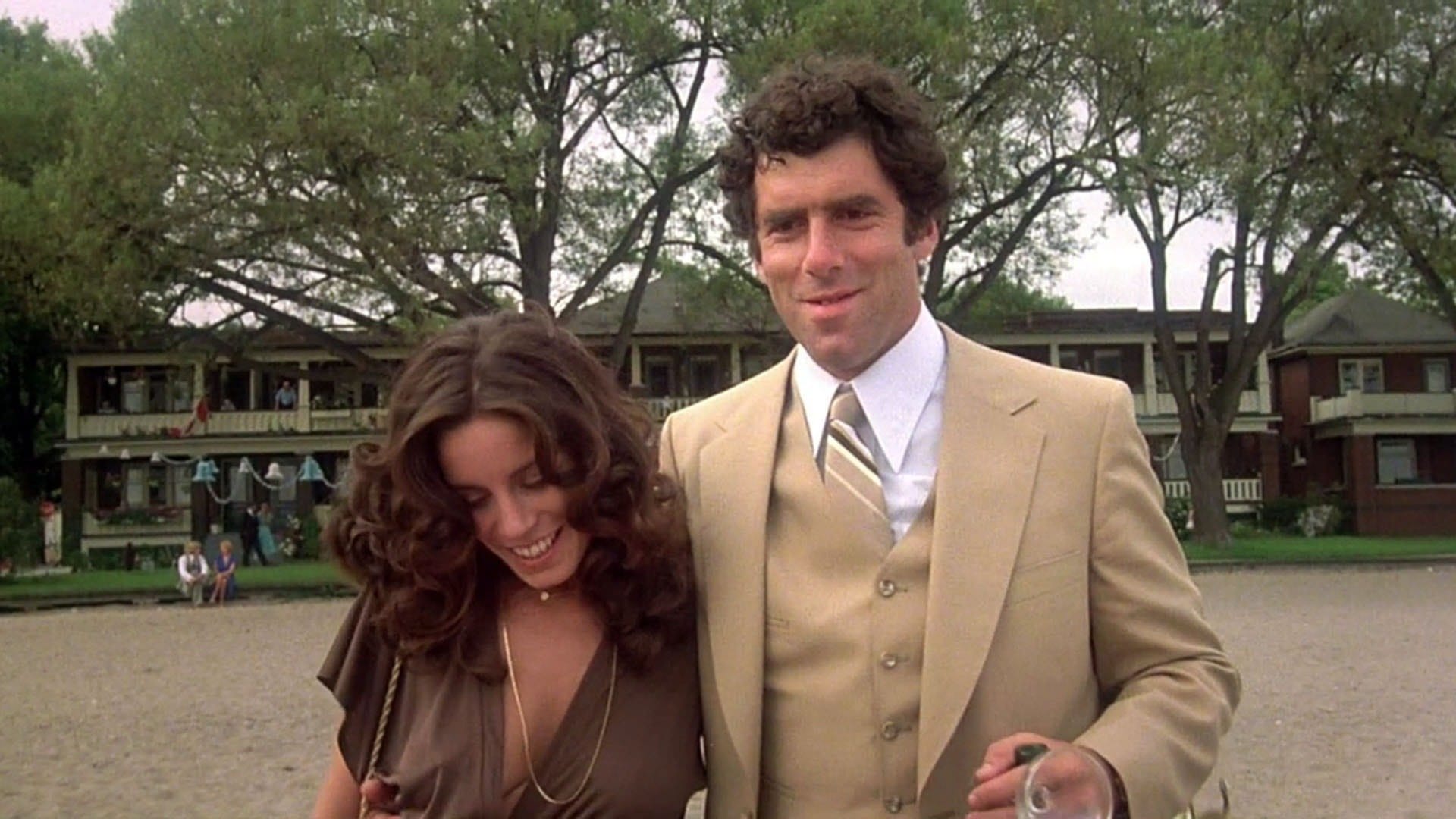
Months later, at his father’s funeral, Miles meets a woman named Elaine, who claims that she was a nurse who had been caring for Mile’s father in the retirement him, but Miles’ father wasn’t verbal toward the end, and she claims that his father talked about Miles to her. Also, while she is clearly a Spanish/Latina woman, with a distinct Spanish accent, she also claims to be French, or at least that her family lives there now.
So… red flags.
Because it turns out that Elaine is actually working with the imprisoned Reikle, who wants her to figure out where he hid the money. However, by the time Elaine discovers that, Reikle no longer trusts her, as she and Miles are now romantically involved. Julie, meanwhile, has begun to suspect something is off about Miles and his new girlfriend, who are working on getting into the safety deposit box with the money, after Miles’ maid threw out the jelly jar with the keys hidden inside. Soon enough, Reikle is released from jail and he confronts Elaine over her loyalties. She admits that she has fallen in love with Miles, and also that Miles was better in bed than Reikle. Enraged, Reikle decapitates her in Mile’s apartment, using the broken glass of Miles’ fishtank, and then leaving a very convincing human head floating in the tank’s remnants for a stunned Miles to find.

After Miles cleans up all the water and blood and dead fish in his apartment, and disposes of Elaine’s body in that classic body-disposing spot, the wet concrete of the under-construction foundation of the bank's new building, he realizes that the game with Reikle has finally come to a head.
And now it must end.
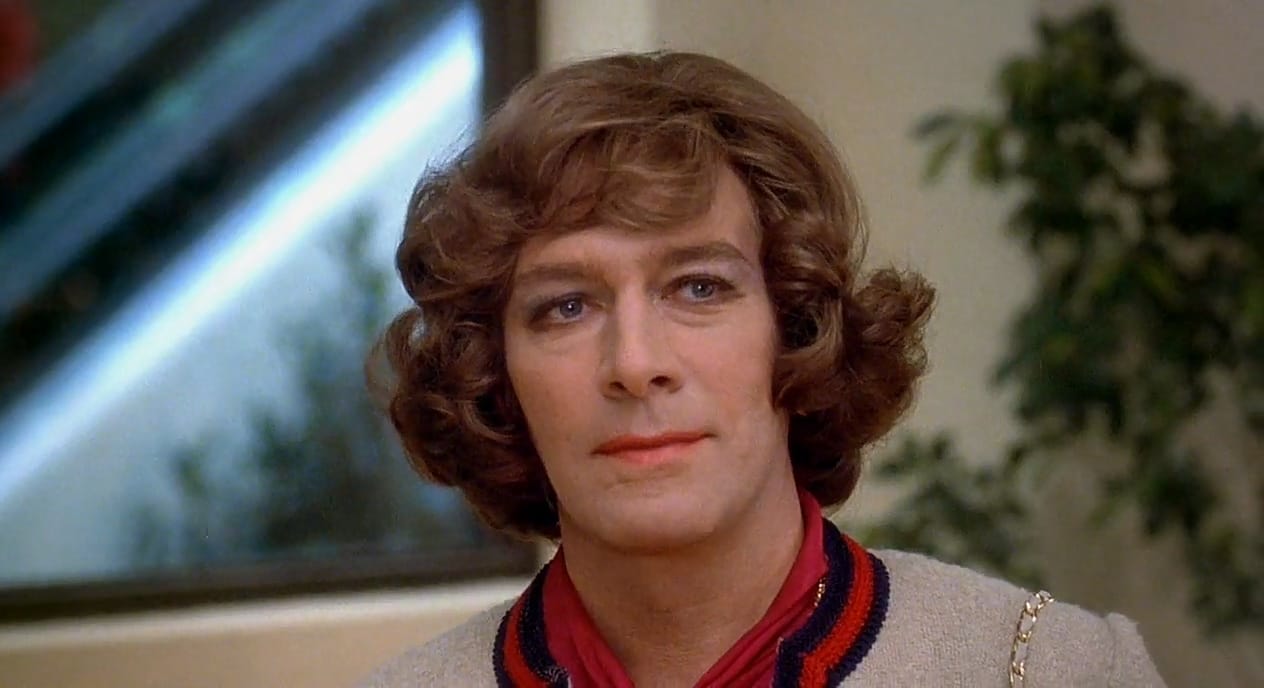
He agrees to hand the money over to Reikle, but demands that it happen in a public place. So, Reikle comes to the bank, this time not as Santa, but as a very handsome woman, and then Miles gives him the money. But during the hand-off, Reikle says he intends to kill Miles anyway, simply because of all the hassle he’s had to go through over this.
But everyone underestimates Miles.
Miles suddenly shoves a forged recreation of the original stick-up note into Reikle’s hands, and before Reikle can react, Miles shouts "he has a gun!" and then he triggers the alarm. Shocked, Reikle shoots Miles, and flees into the mall, but he is shot by the bank security guard trying to use his same escape path up the mall escalators. Fatally wounded, Reikle tries to tell the guard that Miles gave him the bank’s money, and the guard, not understanding Reikle’s meaning, responds, "Whose money did you expect?"
As a wounded Miles is taken away by ambulance, Julie jumps in too, telling Miles that she has figured out everything. The pair then decide to quit their jobs and find another line of work, somewhere far away.
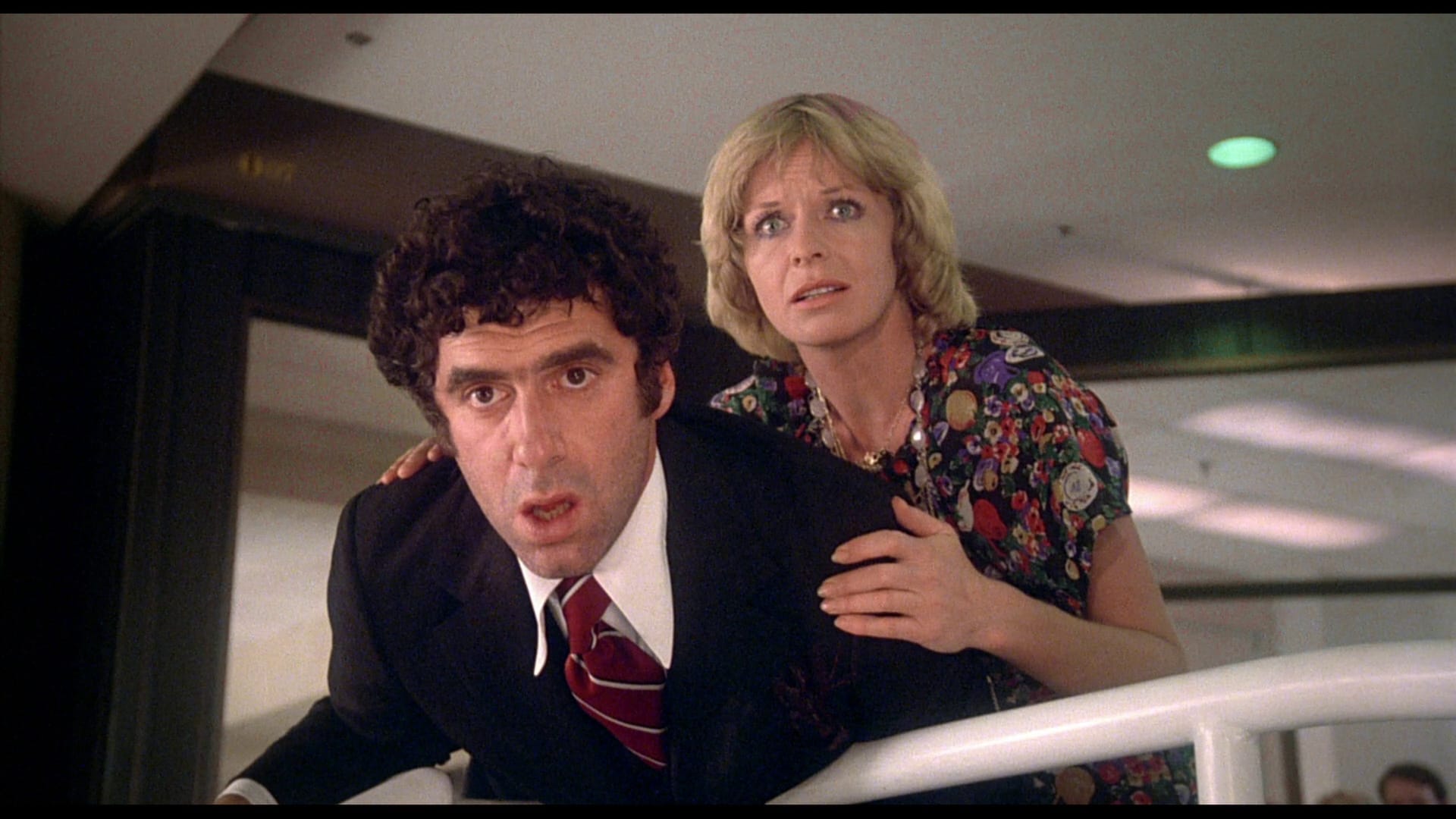
Winner of three Canadian Film Awards, including Best Feature Film and Best Direction, my main takeaway here was… God damn, this is a lot of trouble for less than 50 grand. I know it’s the 70s, so it’s the same as maybe half a million dollars today, but cmon, just go rob another bank, man. You’re beheading ladies with fish tank glass over enough money for a down payment on a three bedroom, two bath? Just take the L and move on. Even the film mentions that 50k is not the kind of money you can live off of forever.
My second main takeaway is that this film starts with a great idea, but then gets silly, and really, it all starts to truly fall apart with the fish tank beheading. Maybe Daryl Dukes was right to refuse to shoot the scene.
My third takeaway is that Julie’s character never makes any sense at any point in the movie. She’s either meant to be mercurial to the point of insanity, which makes no sense, or she was never intended to be a real character from the start, and was always just a conciliatory prize for Miles after everything was said and done, or this is simply a bad adaptation, and Julie made much more sense in the book, or… the more likely answer, the character of Julie was simply written by a man in the 70s, who was writing about an average everyday guy that no one respects, who is constantly being underestimated by everyone, when he’s actually much smarter and much more clever than everyone else, which can sometimes reflect on the author’s own personal issues, which often include the fact that he simply does not care about women as people, at least, not as much as he does when it comes to seeing them as sex objects to be won.
Which leads directly into my fourth takeaway, which is that you can really tell this is a 1970s movie, as every single female character with a speaking role takes off her shirt. If she‘s not a glorified extra, and she has a couple of lines, well, just you wait, buddy, because she’s gonna free the Springfield Two, as Homer says. In addition to that, the woman who does the film’s full-frontal nudity scene has a giant unkempt bush. I mean, it’s not like, damn, get a load of fucking Lady Sasquatch over here or anything, but still, the fact that she clearly had zero concerns about her being “camera ready” and did no landscaping before getting butt-naked on camera is such a hallmark of nudity in ’70s era films.
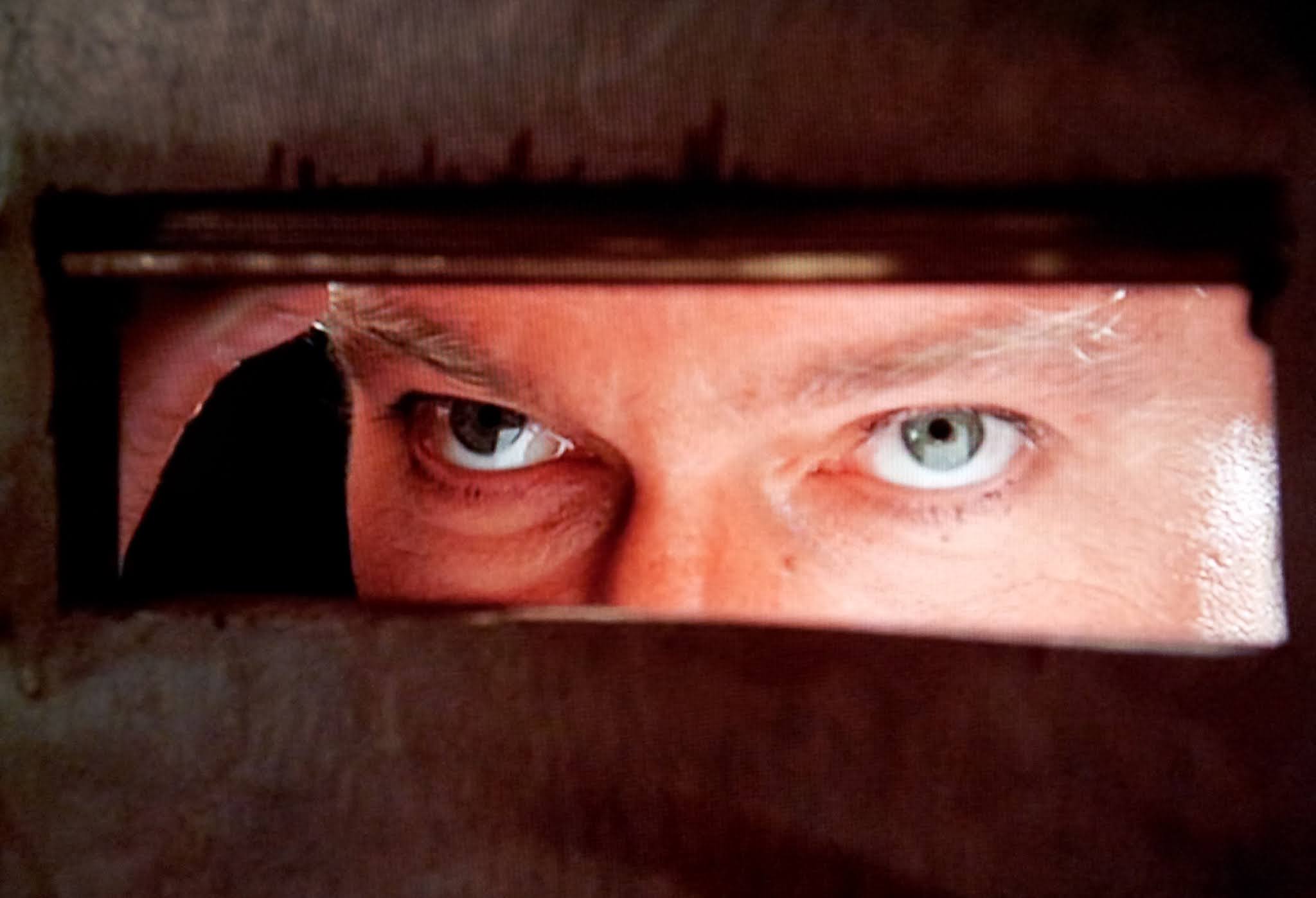
And of course, there’s nothing on the other side. Another obvious indication that this film is from the ‘70s is how, not only do none of the male characters get naked, all of the male characters look like schlubs, big hairy schlubs in their bad polyester suits, even the handsome ones. Big hairy schlubs. Another hallmark of 70s movies is the similar lack of concern for being “camera ready” on the part of most of the male actors. I mean, the idea of sexy in the 70s was laughably different, of course, and Elliot Gould has his undeniable charms, obviously, and Christopher Plummer is certainly no slouch either, in his mesh tank top, or when he flips his hair during the climatic bank scene at the end of the movie, but all that aside… the imbalance is so noticeable.
An additionally interesting aspect of the times back then, as compared to now, is that the film also doesn’t make any judgements about Reikle being in drag. It’s not played as a joke. It’s not used as a way to show that the character is crazy. There’s no surprise in the crowd at the realization that this is a man in drag. The film doesn’t even have any of the background extras sneer or grimace over it.
Note… I’m not saying that this should happen, it’s just that is usually what does happen on screen, and the lack of it here is noticeable.
And I wondered if that’s because, the way the film looked at it, the character’s intent wasn’t cross-dressing, but to simply wear a disguise, so this didn’t trigger a more typical Christian bigot prude response? Did the audience assume the same? Or was the first response back then that dressing like a woman for reasons was not a big deal? Was that because audiences were more used to the idea because of Bugs Bunny, Benny Hill, and Monty Python? I don’t know. Whatever it was, in 2025, it’s a moment whose intent is now hard to read. Sexuality is a spectrum, and who cares about labels, but the only sexual relationships Reikle has that we know of are with women, and yet, when coupled with the way that Plummer plays the character, the energy he brings to the role, and then this choice of disguise at the climax, I can’t tell what the film is trying to say here. And to be fair, I’m not entirely certain the film is even attempting to say anything close to what I’m trying to puzzle out. It’s hard to tell. Honestly, it could just be me, unavoidably seeing this in a modern context, all while the reality that it’s completely innocent, that the film really was just like “it’s a disguise” and otherwise spared no other thought to the sequence, when viewed through the lens of 2025’s toxic world, is too hard to wrap my head around? I don’t know. I can’t imagine a modern day movie doing the same thing so casually, and then not being a piece of shit about it. It’s not a deal breaker, it’s just an aspect of the film where the intent is hard to read, and the possibilities are interesting to consider.
But that said… fair warning… whatever the intent, Reikle’s ultimate fate will most definitely play much differently for today’s audiences than I assume that it did for audience’s back then.
A lesser pretender to the Hitchcockian style, The Silent Partner‘s initially clever plotting stumbles toward the end, but it’s still fun throughout. Plummer and Gould are great like always, and it’s weird and fun to see John Candy appear in a film that seems completely unaware that it has John Candy in it. He’s not even the comic relief. He’s just a guy. In the end, The Silent Partner is fun, but also, at the same time, there’s clearly a reason why this film isn’t mentioned very often.