Train Dreams
“We’re but children on this earth, pulling the bolts out of the Ferris wheel, thinking ourselves to be gods.”

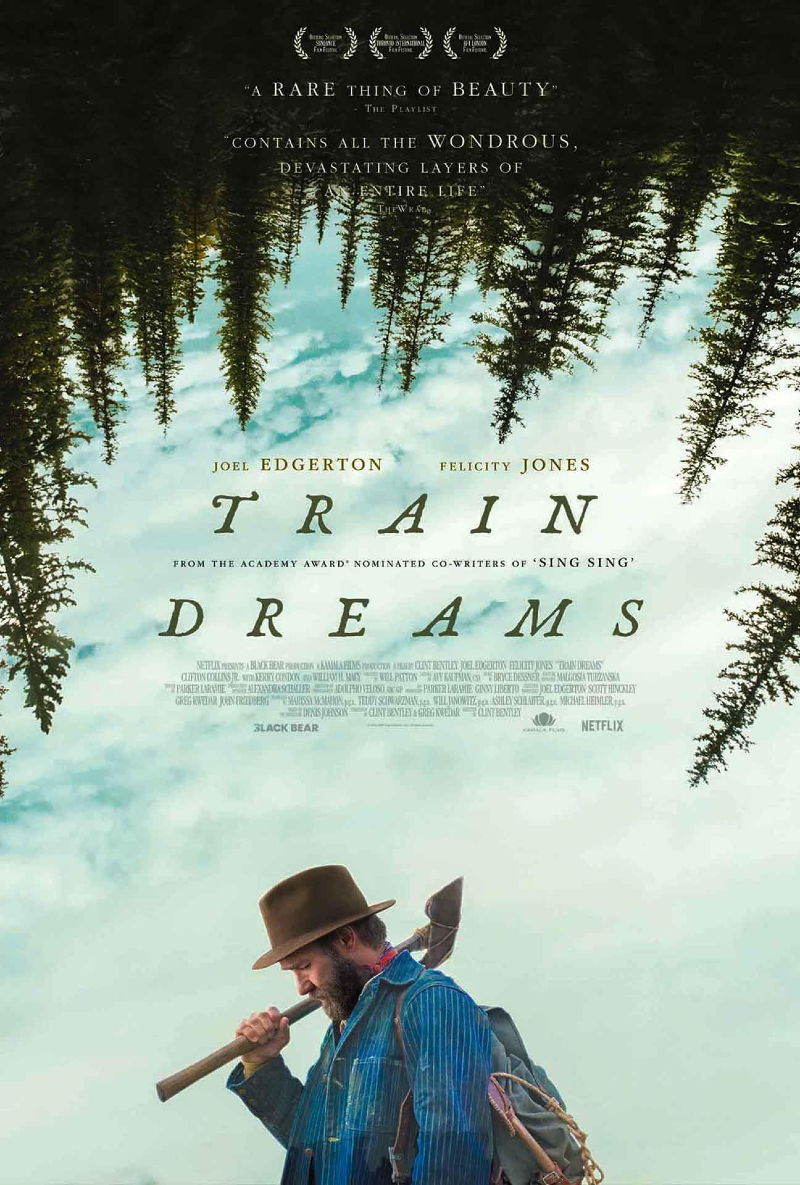
The life story of a railroad worker in the Pacific Northwest, all told as both the American landscape and its society changes…
When I saw in the end-credits that this film was based on the novella by American novelist, short-story writer, and poet, Denis Johnson, I thought… Yeah, that makes sense.
Denis Johnson is probably best known for his debut short story collection, Jesus' Son, his first major work, which was published in 1992, and was then adapted into a film in 1999. The novella, Train Dreams, despite a slightly different version of the story having been published almost a decade previous in The Paris Review, was officially published in 2011. Like the movie, it is a lament for the passing of an age, while dwelling on basic human truths, all of which is illustrated by the story of a man named Robert Grainier, an American railroad laborer who marries and has a daughter, only to lose both in a forest fire, causing him to retreat from the world and to spend the rest of his days living the life of a hermit in the woods.
It’s pretty typical of literary fiction.
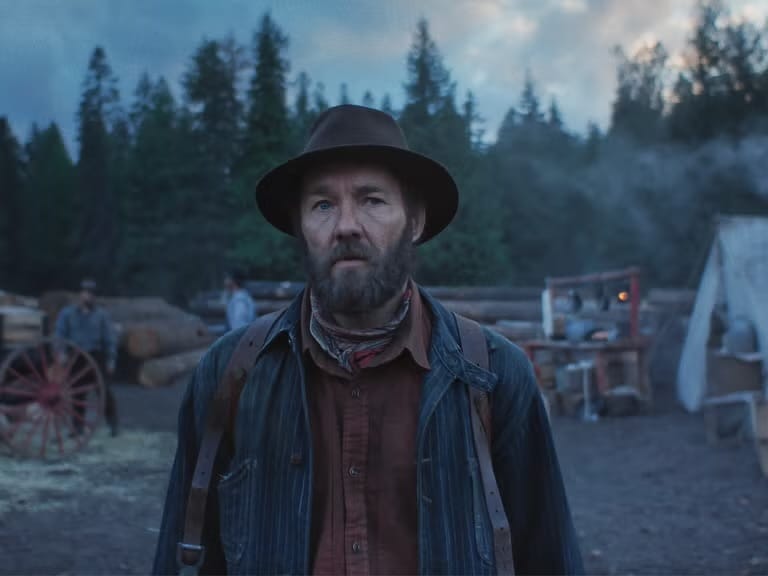
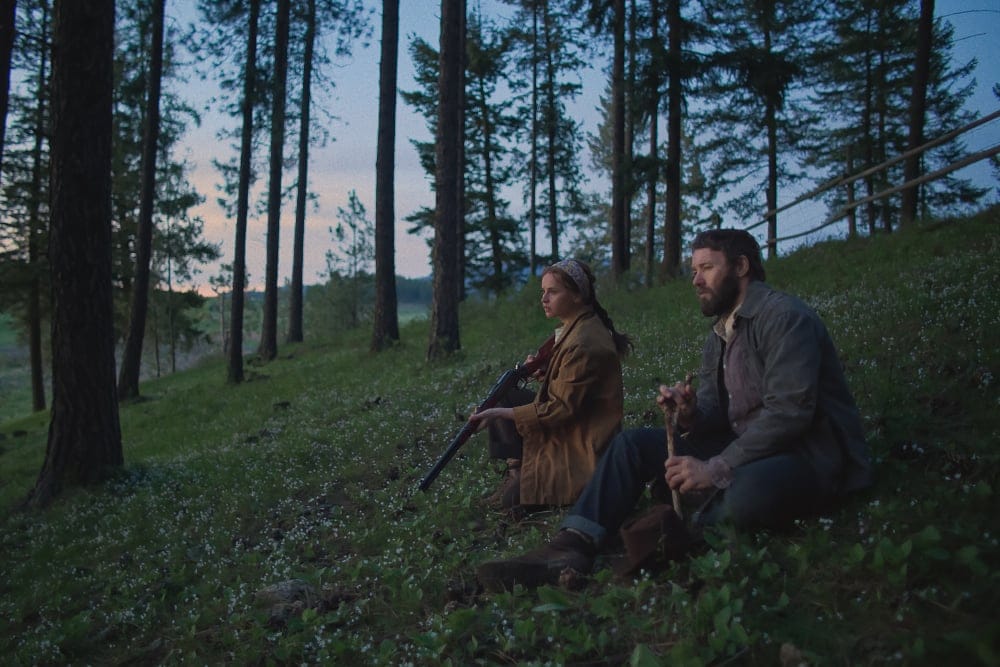
Spanning from the late 1800s to the late 1960s, Train Dreams recounts the 80 yeae long life of Robert Grainier, which was mostly spent in, near, and around the town of Bonners Ferry, in the state of Idaho. It all starts as Robert arrives on the Great Northern Railway as an orphaned child. He eventually drops out of school to work full time without much of a direction or purpose until he meets Gladys Olding. The pair marry, build a small log cabin along the Moyie River, and eventually have a daughter, Kate.
In this time, Robert has become the kind of man who has to travel for his trade, building the railroad or cutting timber in the Northwestern reaches of the country. Gladys relishes Robert's time at home, and is always trying to find a way for him to stay, so that they can be together as young Kate grows.
Robert takes a railroad construction job for the Spokane International Railway. This is all in the wake of the Chinese Exclusion Act, which was passed by Congress, and signed by President Chester A. Arthur, in 1882. A 10-year absolute ban on all Chinese laborers immigrating to the United States, it was a first time that federal law proscribed entry of an “ethnic working group” based solely on the premise that it “endangered the good order of certain localities” (white people: “They’re taking our jobs!”). But while this was the "first" time the racism and xenophobia of white America was actually codified into law, it was definitely in line with the long and much-beloved tradition of cruelty, hatred, bigotry, and entitlement White America has eagerly embraced from the very first moment European boots first splashed down in the surf of the eastern coast, and has yet to ever relent from pursuing.
As a result, while he is working on the railroad all the live-long day, Robert witnesses a Chinese worker being thrown off a bridge by a group of white workers. Feeling guilty for not intervening, he is continually haunted by visions of the man for the rest of his life, and his dreams often involve being struck by a train. After this incident, Robert can no longer bring himself to working for the railroad, and instead works seasonal logging work, but this only takes him farther away from Gladys and Kate, and for even longer periods of time.
While in the logging camps, Robert meets many men, and witnesses many tragedies. With each death, the grave of the fallen logger is marked by nailing their boots to a nearby tree, a sign to the world that these men once walked there, a sign that will eventually be overgrown by the tree. Robert is particularly bothered by the sudden death of fellow logger, Arn Peeples, a loquacious old coot given to long, maudlin, and introspective ramblings about the world around the nightly campfire. He is killed by a falling tree branch, known as a Widow Maker, a somewhat common and often fatal logging accident.
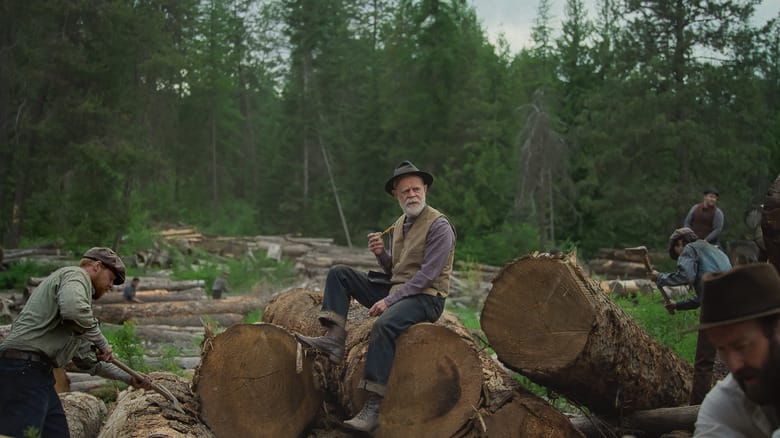
Arn Peeples' death drives Robert to take work closer to home, but in the post-World War I economy, it is difficult to come by and times are thin. He and Gladys decide to farm and build a lumber mill, so that he can stay home permanently. With this goal in mind, Robert returns to logging one more season in order to get the money they need to finance their little dream.
But when he returns home, he discovers that their cabin has been destroyed in a wildfire, and that Gladys and Kate missing. He searches tirelessly as the days turn into months. He never finds them and never learns their fate for sure, but comes to accept the fact that they died in the wildfire. Eventually, Robert rebuilds the cabin in the same spot, and while he still has friends, and still works as a cargo driver, he mostly settles back into the life of a hermit in the woods, believing that he can feel the spirits of his wife and daughter out there amongst the trees, and that someday they might come back, culminating to him believing that one night he finds injured wild girl of the forest, and it’s his daughter. He nurses her back to health, but in the morning, she is gone.
As the years pass, and the world leaves an aging and weathered Robert behind, he witnesses wonders, like John Glenn's flight into space on a television, or the day he takes a ride in a biplane. In the end, Robert Grainer dies quietly in his sleep, alone in his isolated little cabin, and is slowly reclaimed by the surrounding forest.
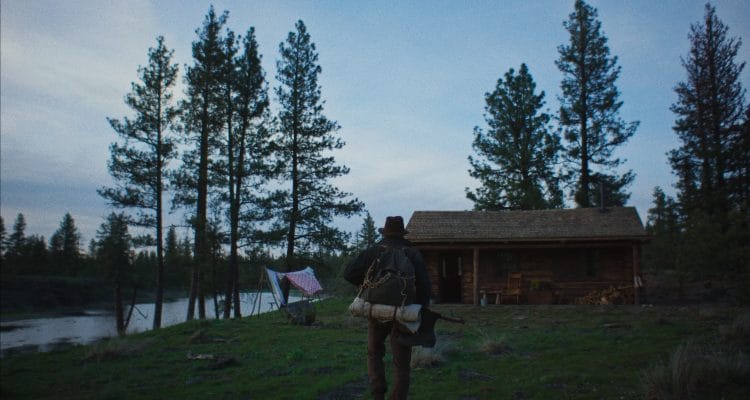
Train Dreams is a slow and beautifully-shot film about the simple lives of simple people, who endure their daily tragedies and celebrate their daily triumphs, and eventually fade from the world like ghosts.
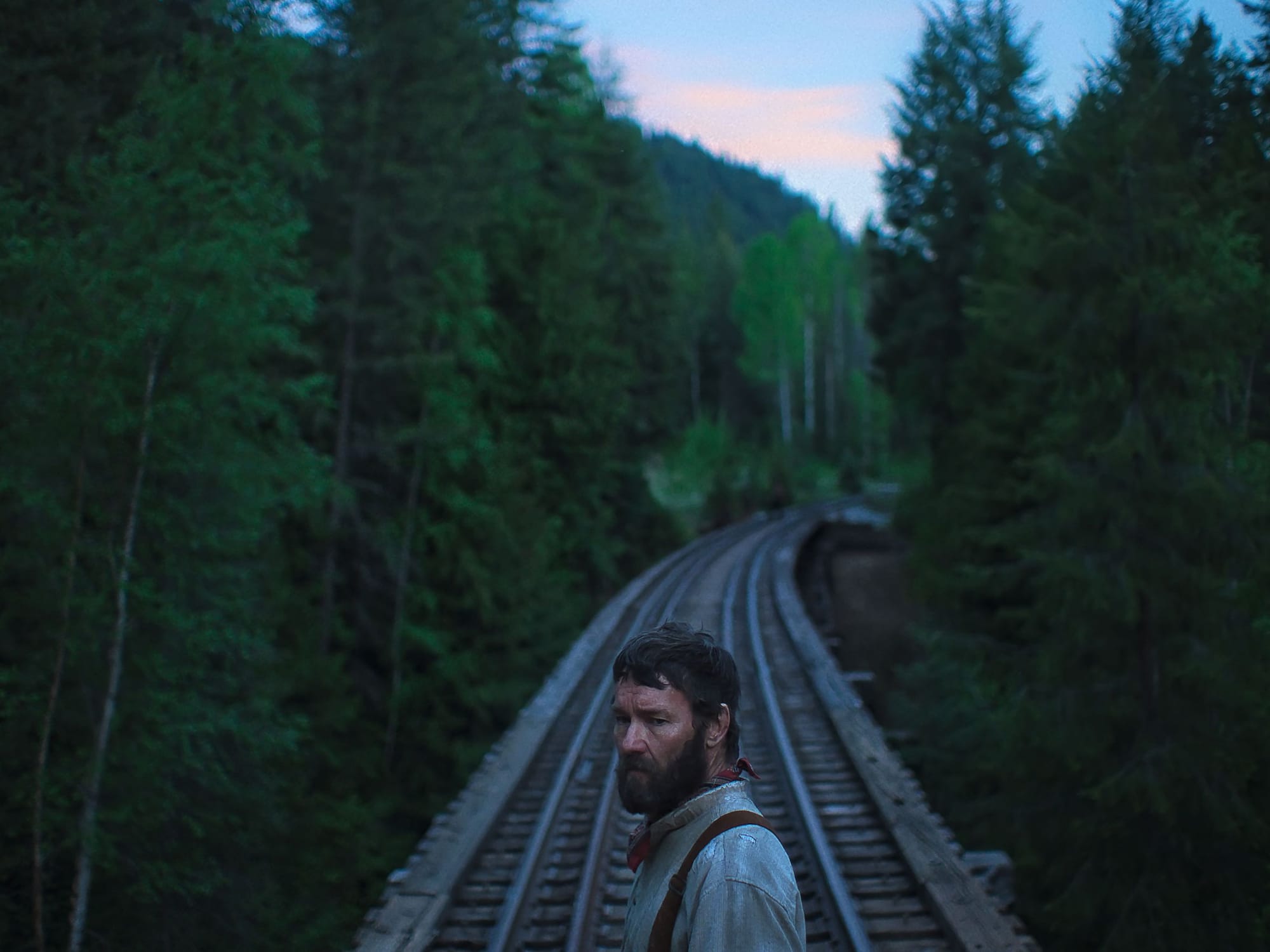
More than anything, this movie really reminded me a lot of the work of director Terrance Malick, films like Days of Heaven or Thin Red Line, at least as far as the way it looked. It really is a gorgeous film, given to long, slow, and contemplative shots that revel in the beauty of nature.
But that said, while this is certainly an attractive film, I don’t know that it really has all that much to say. As an experience, I’d say that watching this movie is more akin to listening to a sad song, as its best and most emotional moments feel more like that rush that fills up your chest, that prickling heat behind the eyes, as a piece of music swells and lifts you along with it. An undeniable physical reaction, sure, but much like a sad song, a few moments later, it passes, done and gone.
Still, that’s not to say that this film doesn’t have its commendable merits. It really does look amazing. It’s a simply beautiful film, which makes sense as it was almost entirely shot in Eastern Washington state. You will often hear people claim that it’s the big blockbusters with their big CGI spectacles that are the kinds of movies that you need to see on the big screen. But in actuality, it’s films like this, it’s the films with expansive shots of natural beauty, quiet films that require your attention, the kinds of movies that will benefit from you sitting in the darkness with nothing else to do but focus on what’s happening on the screen. Train Dreams is the kind of film where the whole point is life is beautiful, fleeting, and small, so it’s important to be able to immerse yourself in the world of the film, to have the great wide open, under those skies so blue, fill your vision. The beauty is its big selling point. So you should see it projected huge on a big wall in front of you, all while you sit in a dark and meditative space, and let it all wash over you.
Because otherwise, while this is a film about the fleeting wonder and beauty of life, one that will make you weepy for a world that never existed and never will again, a story of how we’re all connected, us, each other, the world, everything, it's all one... and that’s not really the most profound of statements.
There's just... not a lot of meat there.
The entire film can be summed up by the scene where the old logger, Arn Peeples, slowly dying from his injury due to the Widow Maker, sits back against a tree and quietly marvels at the pure beauty of the sound of the wind through the trees. Is it beautiful? Sure. Is it a nice thought, not to mention an inoffensive universal truth? Totally. But is it all that meaningful, at least beyond its immediate and obvious surface meaning? Your mileage may vary, I guess, but… no, not really.
And that’s Train Dreams. It’s a film of undeniable beauty. But just as equally undeniable is its very grandiose presentation and its shallow tale (mostly because the events of the film are kept at arm’s length by its overly-folksy narration, done in a tone that can only truly be described as OscarBait-ian). Because of all this, the film’s main problem is that you aren’t watching this story of a man’s life so much as you’re being told about it. It’s still sad, it‘s still funny, it’s still heartwarming at times, sure, but because you’re being told about it, instead of experiencing it, the whole thing feels much more voyeuristic than it does anything else. I’d stop short of calling it misery-porn, or cry-porn, but not that short.
In the end, this is a movie that’s mostly just vibes.