Reflection In A Dead Diamond
Old Man Bond

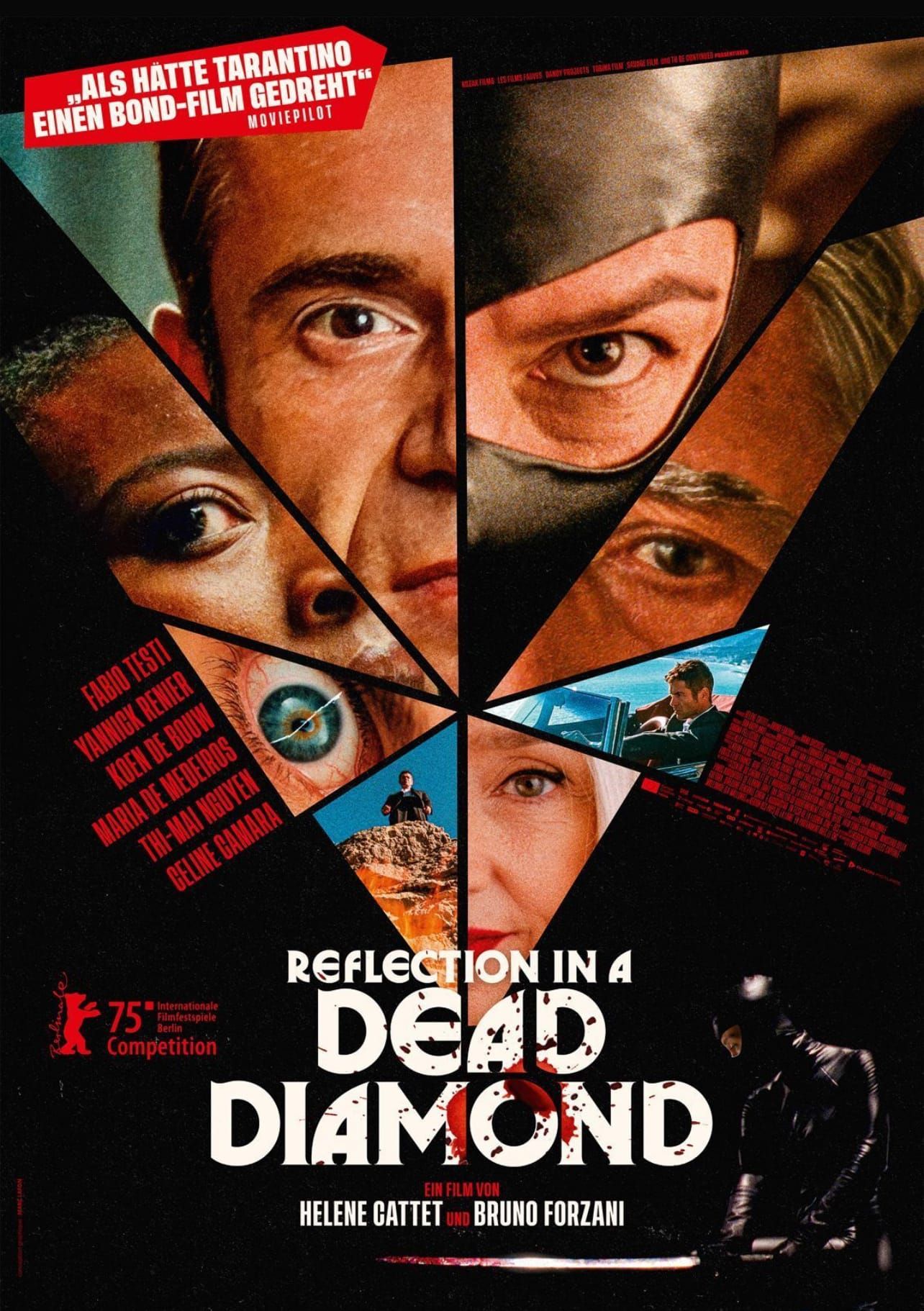
An aging spy's quiet seaside retirement is disrupted when a neighbor suddenly disappears, causing him to relive one of his past adventures through a jumbled rush of fragmented memories.
Written and directed by Hélène Cattet and Bruno Forzani, Reflections In A Dead Diamond, with its bizarre gadgets, pop-psychedelic colors, and latex-clad femme fatales, is an arty and ultra-stylized homage to the tropes and trappings of the Spy film craze, the Eurospy (or spaghetti spy) film genre, and the fumetti neri–Italian pulp comic books–that often inspired them.
The Eurospy genre of films were movies produced in Italy, France, and Spain in the 1960s, growing out of the spy movie craze that began with the James Bond film franchise. Depending on which particular film you're talking about, the Eurospy films were either a sincere imitatation of the Bond movies, or an outright parody.
Beginning around 1964 or so, two years after the first James Bond film, Dr. No, was released, the Eurospy craze lasted until the end of the 60s on the continent, where it replaced the flagging sword-and-sandal genre, which was then in turn replaced in the late 60s by the giallo film genre, those bloody and beloved horror sexploitation movies. In England, the spy craze continued, ending up on a more experimental path than its more exploitative Eurospy genre cousin, peaking with the seminal weirdness of The Prisoner and the psychedelic one-off of On Her Majesty's Secret Service, all of which together is basically where the entire idea behind the Austin Powers movies came from, just fyi.
Which is also the impetus for this film.
So, anyway...
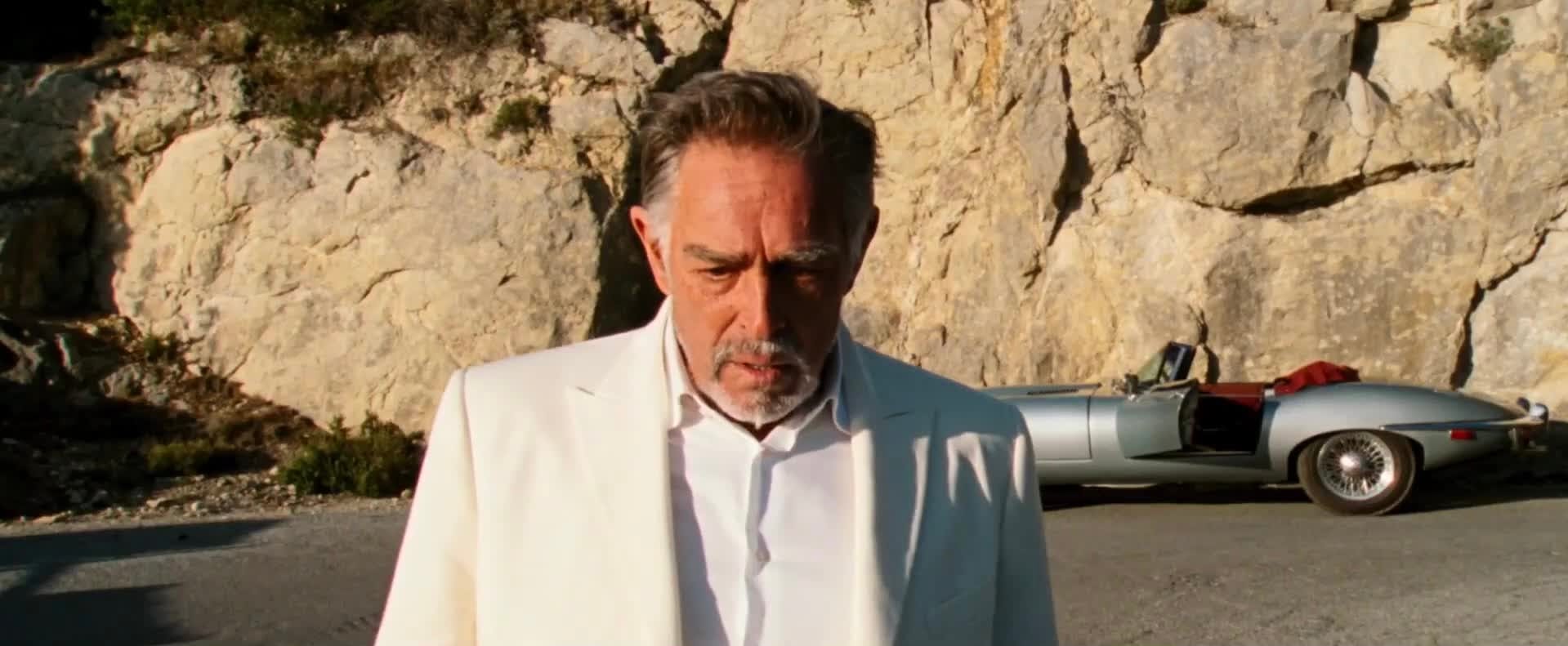
John Diman is a retired spy in his 70s, living out his golden years on the French Riviera. He spends his day on the patio of a once-fancy hotel, leering at the topless ladies as they sunbathe and the hotel employees as they pick up the dead fish that have washed ashore along the beach.
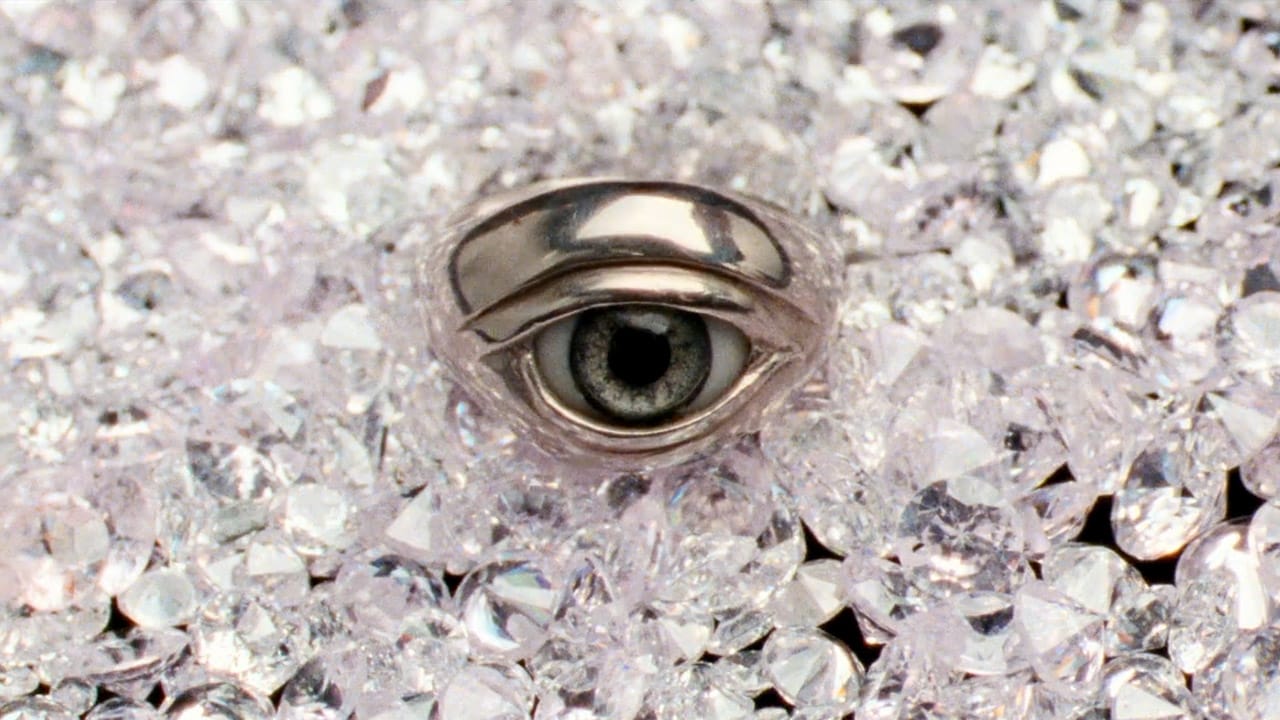
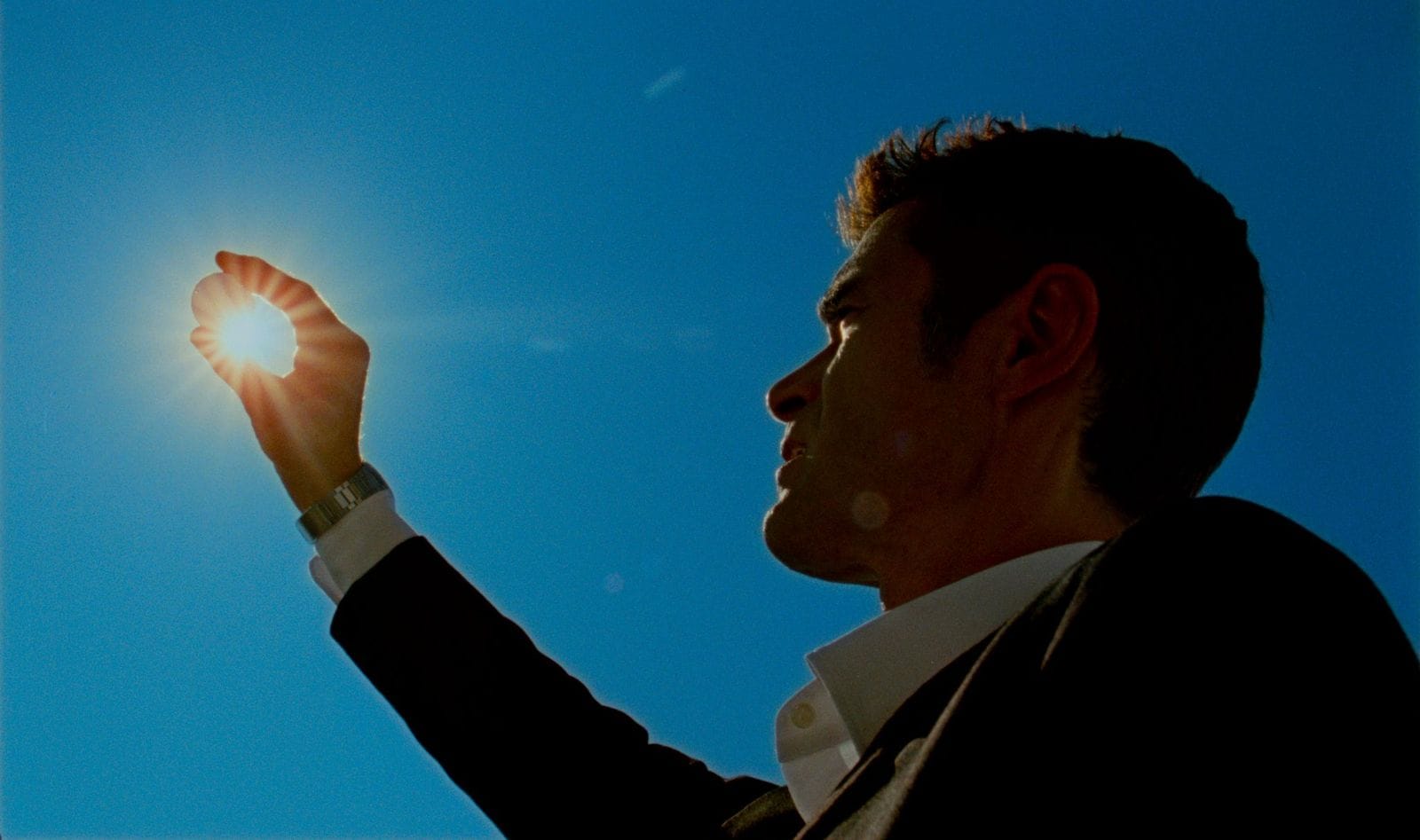
As it is heavily implied that John is an old lecher, he's fascinated by his sexy new neighbor. They have never spoken, but the quick glimpses he's gotten of through his door's peephole of her curvy form, has rekindled old memories of his vibrant and dangerous days on the Riviera during the espionage era of the swinging '60s. So, because he's an old perv, John digs through his stuff to find a silver ring with an eye on it. It's actually an old spy gadget that allows the wearer to see through walls, with the caveat that over-use can possibly cause brain-damage. Peering through their shared wall seems to unlock a cascade of memories for John.
In the morning, his neighbor has vanished without a trace.
You wouldn't be blamed if you immediately assumed that John did something with her. After all, he is both an old perv, a former government killer, a practiced liar, and, as it soon becomes apparent, is either suffering from dementia or is having a mental breakdown, but that doesn't seem to be the case here, so...
Moving on.
Fearing that his old enemies are back for one final showdown, John stumbles around the hotel, struggling to discern reality from the sudden deluge of memories and the myriad of movies and comics and books that were either based on his life, or are based around a character he might've once played, or are just things that he has enjoyed and has now convinced himself were once true. This sudden confusion could be due to the ring, or perhaps dementia, or maybe sunstroke, or perhaps he's actually right, and the clandestine dance of shadows has begun again... or perhaps it never ended. Either way, John finds himself fighting a war of hidden knives and silenced pistols in the heat of the Mediterranean sun.
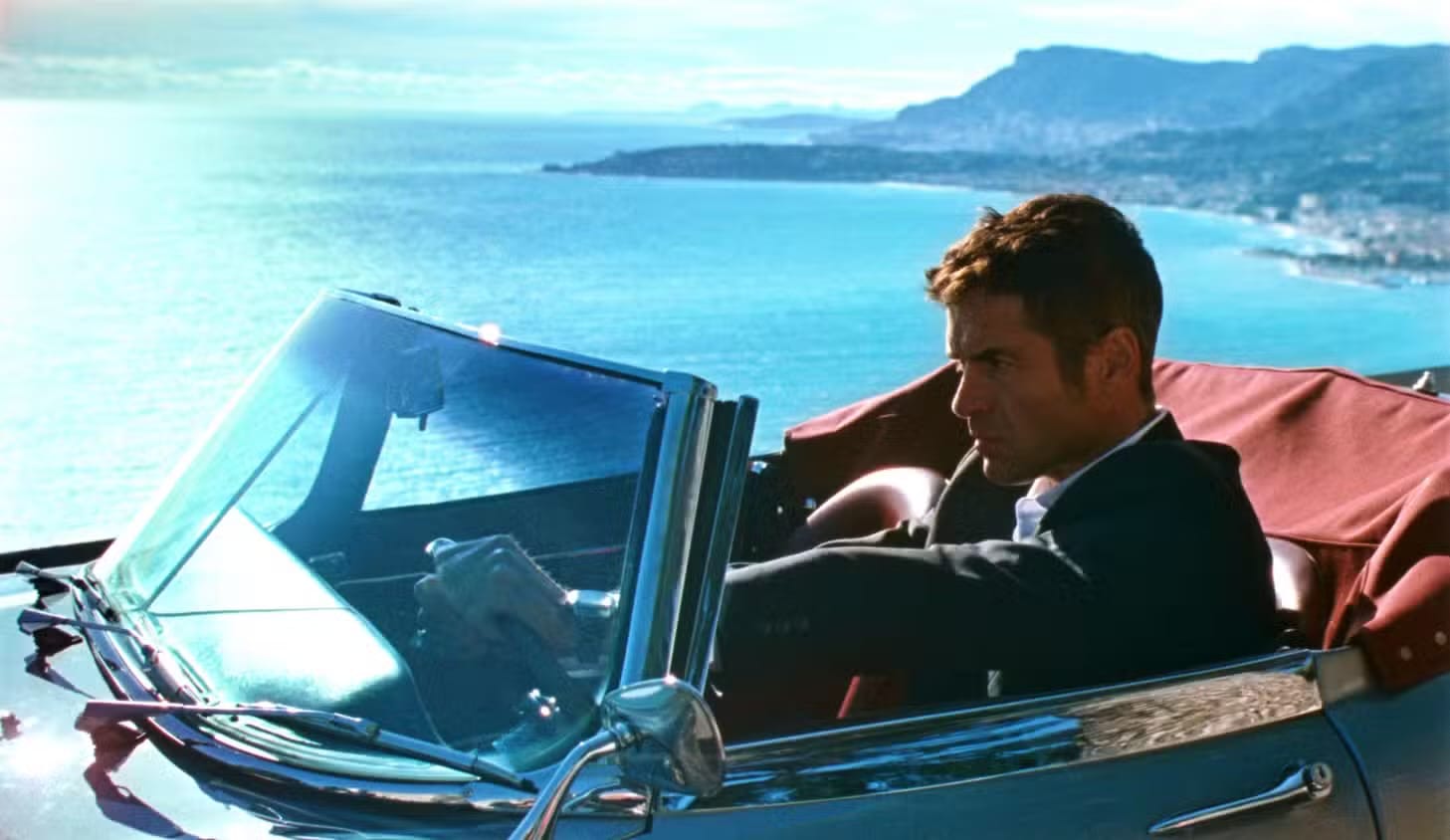
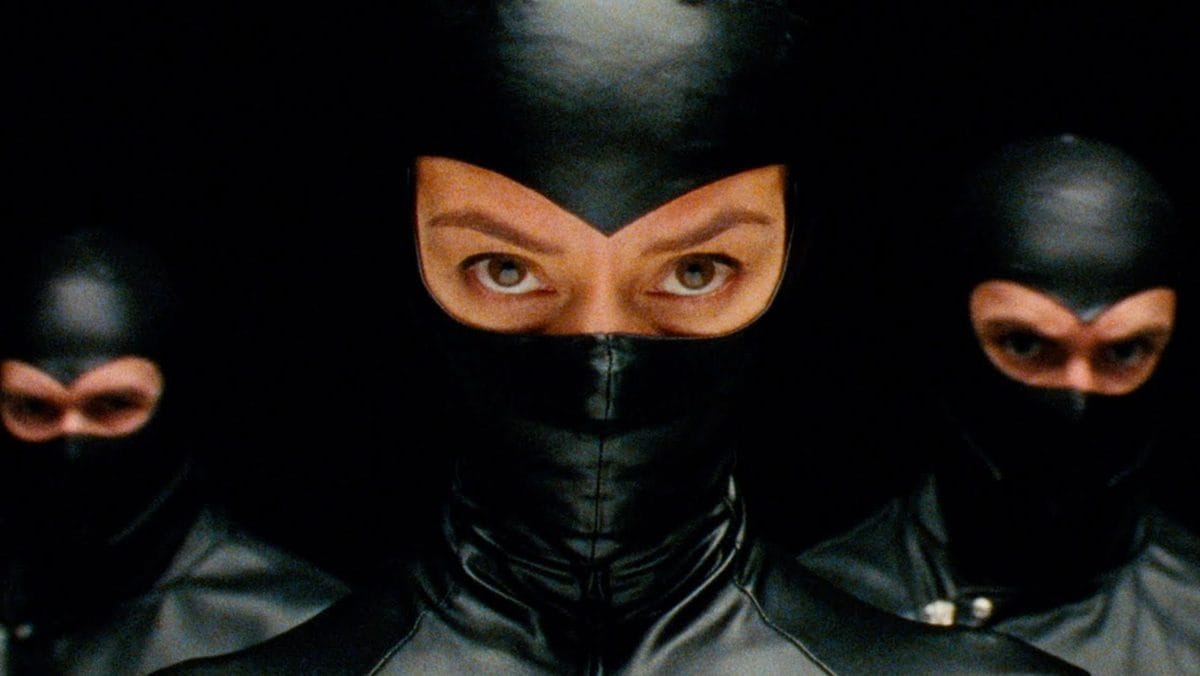
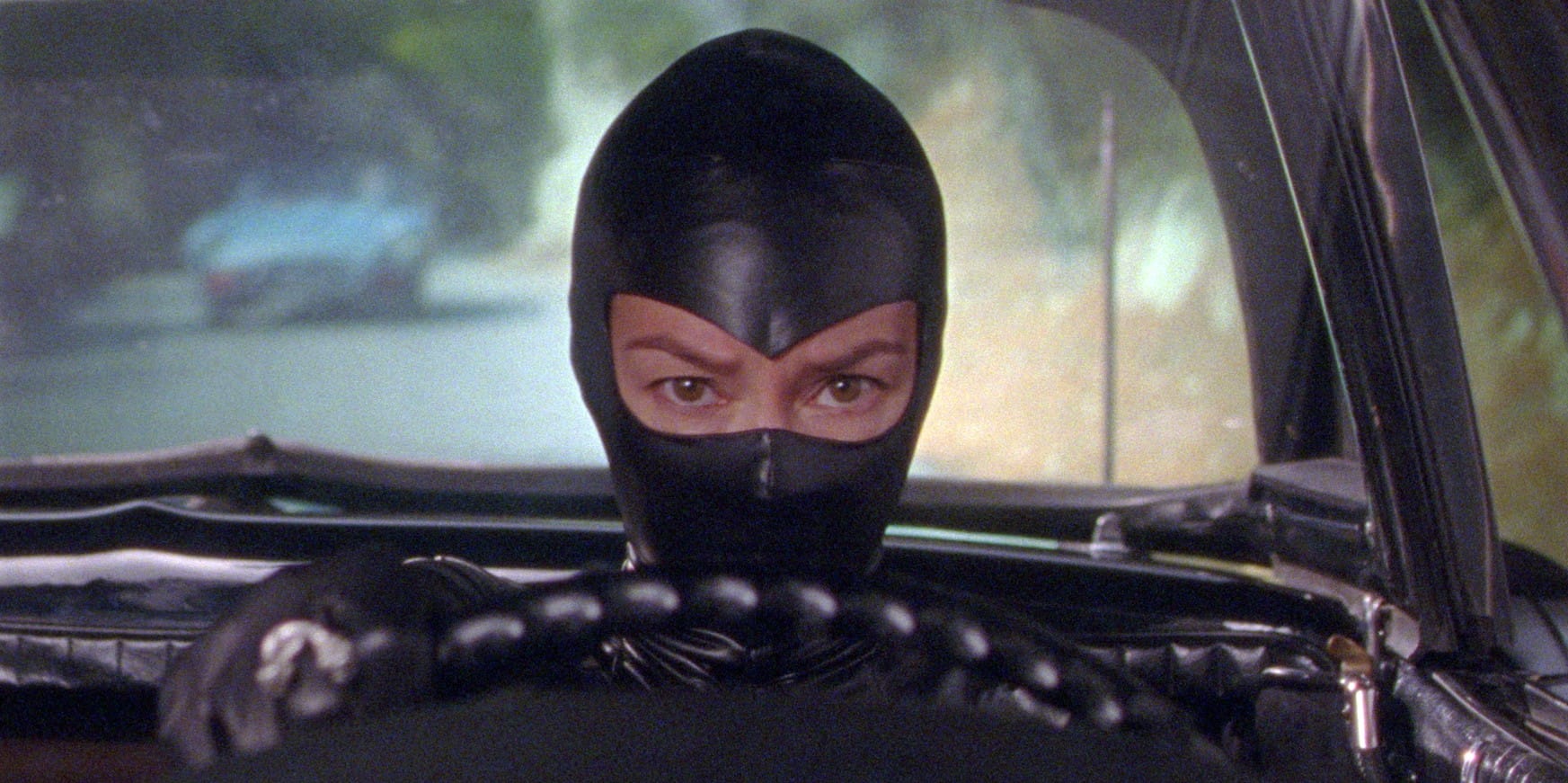
The whole thing seems to hinge on an incomprehensible muddle of memories of a time when he was in the Riviera as a virile young spy many years ago, on a mission that involves safeguarding a man named Markus Strand from a sexy, mysterious, and shape-shifting killer known as Serpentik. Clad in a black catsuit, and wearing a myriad of faces, Serpentik is a dangerous enemy who has, with her spiked talons and her poison-tipped serpant ring, left a trail of corpses in her wake wherever she has gone. Apparently Marcus Strand is next.
John Diman must protect him.

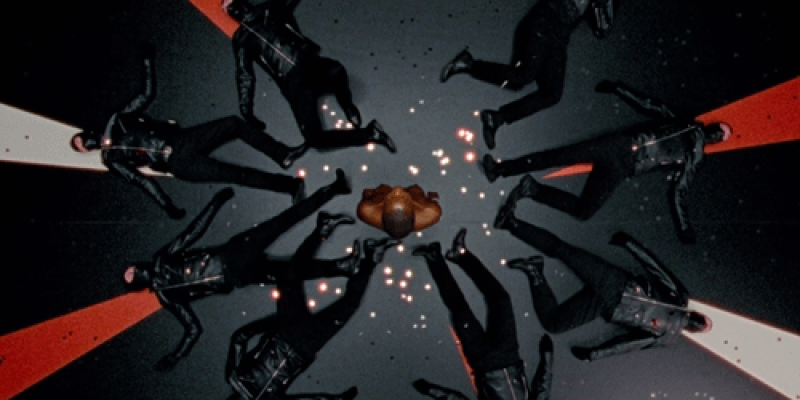
Meanwhile, Diman's spy partner and lover struts about in a sparkling silver net of a dress. The dress's sequins are not just recording devices, but are also a swarm of razor-sharp weapons that can be launched with the touch of a button, and if there's enough bad guys that need to be taken out, then she ends up naked.
But whose side is she really on?
John searches for answers as the past and present collide, and fiction blurs into reality. Soon enough, we are all lost in an arty labyrinth of memory and fantasy, filled with killers, sex, torture, gun fights, car chases, double-crosses, and bloody bar brawls, as John chases the object of his obsession... Serpentik.
More art project and fashion statement than a classic narrative, Reflections In A Dead Diamond is a cinematic experience. It's gorgeous and ultra-stylized and very deliberate in it's every choice. It's bright. It's loud. It's unclear what's happening at times, or why. It's honestly really nothing but eye candy as it revels in its many spy movie tropes, its car chases, its bar fights, its crazy gadgets, its cool characters, its glamorous surroundings. In a nutshell, Reflections In A Dead Diamond is a pop-art love letter to a very specific 60's era of cult cinema.
It’s also very French, in the way that there’s a whole bunch of naked ladies here, and also the fully clothed, fatter, and hairier old men that they claim to love.
If you've seen any of Cattet and Forzani's other works–like Let The Corpses Tan, an arty ode to violent, sensuous, over-the-top Spaghetti Westerns, where a nude woman pees on the face of a man buried to his neck in sand–then none of this should be all that surprising to you.
This is an awkward film to watch, but most of the reason why is wrapped up in the idea that it's a homage to the films that inspired it, so it's difficult to say whether or not the film is "bad" because of poor quality, or "bad" because it's an homage.
For instance, the dialogue is flat, and dubbed to sound slightly off, like the films that it was inspired by. The acting is wooden, again in a deliberate homage. And the plot is absolutely incomprehensible, which may be somewhat partly due to the homage, but more likely, this is also because a coherant actual plot is clearly taking a backseat to literally every other aspect of this film, as well as the fact that, what little story there is, revolves around our main character being lost in a delirium of dementia and brain damage and half-remembered recollections, so it's not really going to be a straightforward narrative either way. But mainly, yeah, the story just isn't a priority, as the whole thing is really meant to be more "sexy" and "cool" and look awesome, with machine guns headlights, and sexy ladies in sexy catsuits, and sexy ladies removing their sexy catsuits. It's all a big send up and embrace of the whole macho fantasy Bond thing.
It's meant to be silly. It's meant to be serious.
It's meant to be both and neither.
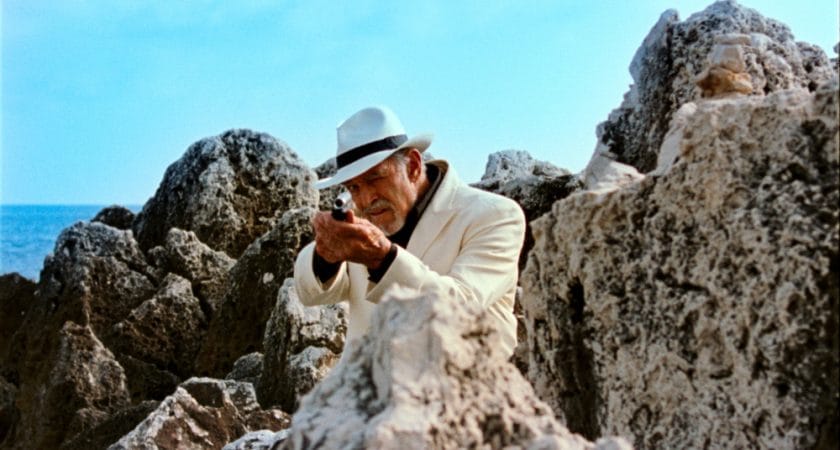
As a result, Reflection In A Dead Diamond feels less like an actual spy film, and more like someone's hazy memory a 60s era Bond film, although a far more violent version of one, and with a lot more nudity. But it's not just an obvious riff on Bond either. There's a little Danger: Diabolik mixed in here, as well as The Prisoner, and so many people rip their faces off to reveal a different person underneath in this film... that has to be a Mission Impossible reference, right?
But is any of this a commentary on those films?
No, because like I said, this is the kind of film that was meant to be more of an art piece than it was a coherent story. Now, personally, I'm not a big fan of that idea, but a good version of it is usually worth watching at least once. What makes this particular film better than something like Tornado, for instance, is that when it comes to Reflection in a Dead Diamond, this is not only clearly the intent from the start of the film, but it was clearly the intent of the project all along too. Like, this was the film that they set out to make, and not just the version they ended up with because it was the only option the production was left with due to outside issues like budgetary concerns. The difference here is that Cattet and Forzani have a vision, AND the ability and resources to execute it. Plus, they are obviously in love with this genre, and that shines through. Yes, their love is centered more in what defines the genre, rather than anything it might have to say, but that's fine too. Like I said, it's not something I'm usually into, but I appreciate how they're not trying to pretend otherwise. This film is the result of their heads being stuffed full with a ton of obscure films, the way they looked and sounded and all their classic moments, and they use this deep well of love and encyclopedic knowledge to make their art. This is their love language, and this how they express it.
I can appreciate that... even if I probably won't ever revisit it.
In a way, Cattet and Forzani are kind of like European versions of Tarantino making homage movies. What makes them less than him, of course, is they lack his ability to tell stories we care about at the same time, which is the thing that lifts his work out of simple art homage and into actual cinema, and this is ultimately why their films are just pretty novelties more than anything else...
And that's not to say that this film is completely devoid of meaning either.
Maybe this film is a commentary on the horror of a life lived without meaning, maybe it's a commentary on how refusing to live a life of consequence now, to take a stand today for your ideals and values, means you risk one day finding yourself to be nothing more than a useless old man on the far end of his life, with no legacy to leave behind, and no discernible mark left upon the world, forced to watch his days of power and authority fade, and to be left with nothing but time, time to ruminate on glory days long passed and a myriad regrets and grievances, as you slide down into your grave with no one there to remark on your passing. Maybe the film is a commentary on how, at that point, once you have lived beyond your agency, it's too late, there's no going back, there's no changing anything. Maybe this film is all about urging you to act now, to live now, today, when it counts?
Or maybe not...
Maybe the film really does have no more meaning to it than the play of light off a diamond, nothing but the brief flash of a reflection?
I don't know.
Just like I don't know if I'd say that this film is actually "good" or "bad" either. Regardless, it's an interesting watch.